

Something has quietly shifted under the wrapping paper. Walk into any high street gift shop and you’ll still find the usual candles, novelty mugs, and boxed sets of biscuits. But ask people what they actually want this Christmas, or for their birthday, or for an anniversary, and you’ll increasingly hear something different: a pottery class, a theatre trip, a coastal walk weekend, a cooking lesson. The trend towards experience gifts instead of presents in the UK has been building for years, and the research behind it is genuinely compelling.
I’ve noticed this shift in my own family. A few years back we stopped exchanging physical gifts at Christmas altogether, replacing them with a shared day out in January when the shops are quiet and the world feels a bit more human again. It was, without exaggeration, one of the better decisions we’ve made. But why does this work so well, psychologically? And what does the science actually say?
What the research says about experiences versus things
The core finding, repeated across multiple studies in psychology, is that experiences make us happier than material possessions over the long run. Thomas Gilovich, a psychology professor at Cornell University, has spent years studying this and found that people adapt quickly to new possessions, a process psychologists call hedonic adaptation. That new jacket feels brilliant for a fortnight, then it’s just the jacket. Experiences, by contrast, tend to grow in memory rather than shrink. We retell them, laugh about them, and they become part of who we are.
The BBC has covered this area thoughtfully, noting that shared experiences in particular create a sense of social bonding that things simply cannot replicate. A theatre trip you took with your sister ten years ago still comes up at dinner. The bread maker you gave her probably doesn’t.
Why UK families are making the switch
There are practical reasons alongside the psychological ones. Many British households are genuinely running out of space. The average UK home has shrunk over the decades, and most adults of any age will tell you they already have too much stuff. Gifting another physical object into that situation can feel more like a burden than a treat.
There’s also a generational shift happening. Younger adults in their twenties and thirties are buying fewer things as a rule, preferring to spend on experiences, and this attitude is filtering upward through families. Grandparents who once felt obliged to produce a pile of wrapped presents are increasingly happy to fund a family day at a National Trust property or contribute to a pottery class instead.
According to the Office for National Statistics wellbeing data, social connection and meaningful activity are among the strongest predictors of life satisfaction for people in the UK. Experience gifts tend to deliver both in one go, which is why they feel so different from unwrapping something alone on the sofa.
What kinds of experiences work best as gifts
Not all experiences are equal, and I’d be doing you a disservice if I suggested otherwise. The ones that tend to create lasting happiness share a few characteristics: they involve other people, they require some engagement or skill, and they’re slightly out of the ordinary for the recipient.
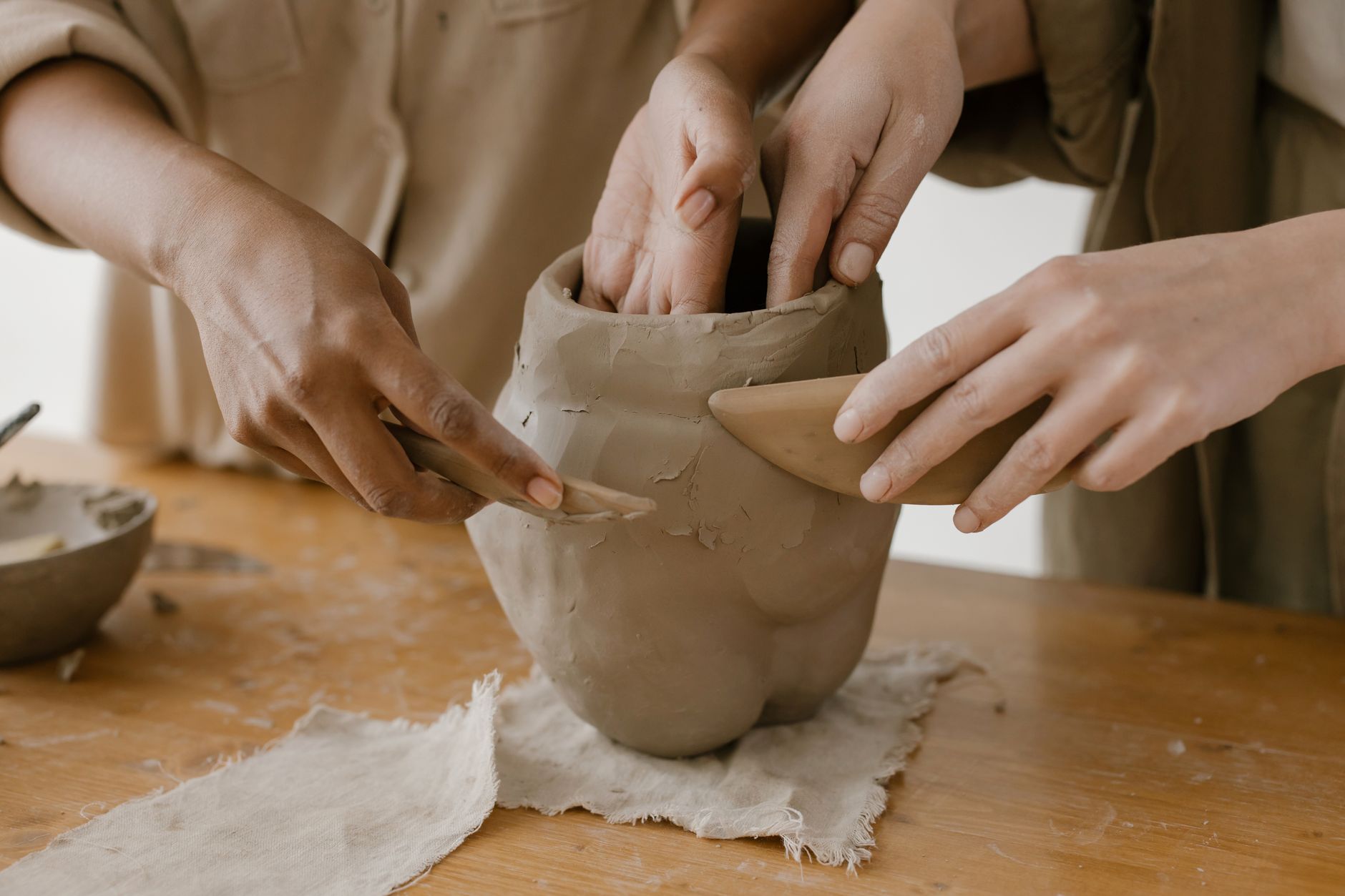
Pottery classes have become something of a phenomenon in this regard. There’s something about working with your hands in a real space with other people that feels restorative in a way that passive entertainment doesn’t quite match. Theatre trips, escape rooms, cooking lessons, wild swimming experiences, botanical garden visits, cheese-making afternoons in the Cotswolds, cheese-tasting evenings in Edinburgh, foraging walks in the Peak District. The range now available in the UK is genuinely impressive.
For older recipients, the same logic applies. Research on what makes people content in later life consistently points to purposeful activity and human connection over material comfort. If you’re thinking about gifts for older family members, the principles behind what Britain’s most content retirees have in common are worth keeping in mind: it really isn’t about acquiring more things.
The wellbeing case, not just the happiness one
There’s a distinction worth making here between fleeting pleasure and lasting wellbeing. A good box of chocolates brings genuine pleasure. Nobody is disputing that. But experience gifts tend to operate on a deeper level because they generate anticipation before they happen, engagement during, and memory afterwards. You get three rounds of positive feeling from a single gift.
This connects to a broader conversation about how we invest in our own health and happiness. UK health professionals are increasingly aware that social engagement and active participation in life are as important as physical health metrics. The same impulse that leads GPs to recommend spending time with pets for mental wellbeing, as explored in our piece on pet ownership and mental health in the UK, also supports the idea that we need meaningful activity and connection, not more possessions.
Sleep researchers make a similar point about the relationship between daily experience and quality of rest. People who report more meaningful daytime activity, including social and creative engagement, consistently report better sleep. If you’re curious about that connection, what British sleep scientists now recommend for better rest is worth reading alongside the experience gifts conversation.
How to give an experience gift well
The execution matters. An experience gift handed over as a vague promise rarely lands as well as a physical voucher, a printed booking confirmation, or a handwritten card with the specific date already agreed. The anticipation is part of the gift, and you can only build anticipation if there’s something concrete to look forward to.
Booking two spaces rather than one is usually the right call. The experience is shared, so giving the option to bring a friend or family member doubles the value immediately. And if you’re unsure what someone would enjoy, a voucher for an experience platform that lets them choose, rather than a generic department store gift card, keeps the spirit intact.
The shift towards experience gifts instead of physical presents in the UK isn’t a passing trend. It reflects something real about what makes life feel worthwhile: doing things together, making memories, and investing in time rather than objects. I’d argue that’s a shift worth encouraging, one birthday at a time.
Frequently Asked Questions
What are experience gifts and how do they work?
Experience gifts are presents that give someone an activity or event to enjoy, rather than a physical object. In the UK this can range from theatre tickets and cooking classes to pottery workshops, spa days, or weekend breaks. You typically give a voucher, booking confirmation, or date-specific invitation.
Are experience gifts actually better for happiness than physical presents?
Research consistently shows that experiences tend to create longer-lasting happiness than material possessions. We adapt quickly to new things but continue to recall and retell positive experiences for years, meaning the emotional return is higher over time.
How much do experience gifts typically cost in the UK?
The range is wide. A pottery taster session might cost £30 to £60 per person, while a theatre trip in London could be anywhere from £25 to over £100 per ticket depending on the show and seat. Weekend experience breaks can run into several hundred pounds, but there are excellent options at every budget.
What are good experience gift ideas for older relatives?
Botanical garden visits, afternoon tea experiences, local history tours, short coastal holidays, and cookery lessons tend to work particularly well for older recipients. The key is to choose something social and active that connects to their existing interests, and ideally something you can enjoy together.
Where can I buy experience gifts in the UK?
Platforms like Virgin Experience Days, Buyagift, and Red Letter Days offer a wide range of activities across the UK. Many local venues, theatres, cookery schools, and craft studios also sell their own gift vouchers directly, which often means more of the money goes to the provider.
Leave a Reply