Category: Lifestyle

  • Why British Communities Are Reviving the Art of the Street Party, and What It Does for Neighbourhood Happiness

    Why British Communities Are Reviving the Art of the Street Party, and What It Does for Neighbourhood Happiness

    There is something quietly radical about closing a road, dragging out a trestle table, and sharing sandwiches with the people who live three doors down. Street parties and community gatherings have been a part of British life for generations, but after a long stretch where many of us barely knew our neighbours’ names, something has shifted. Across UK towns and cities, the street party is coming back, and the case for street parties community happiness is stronger than you might expect.
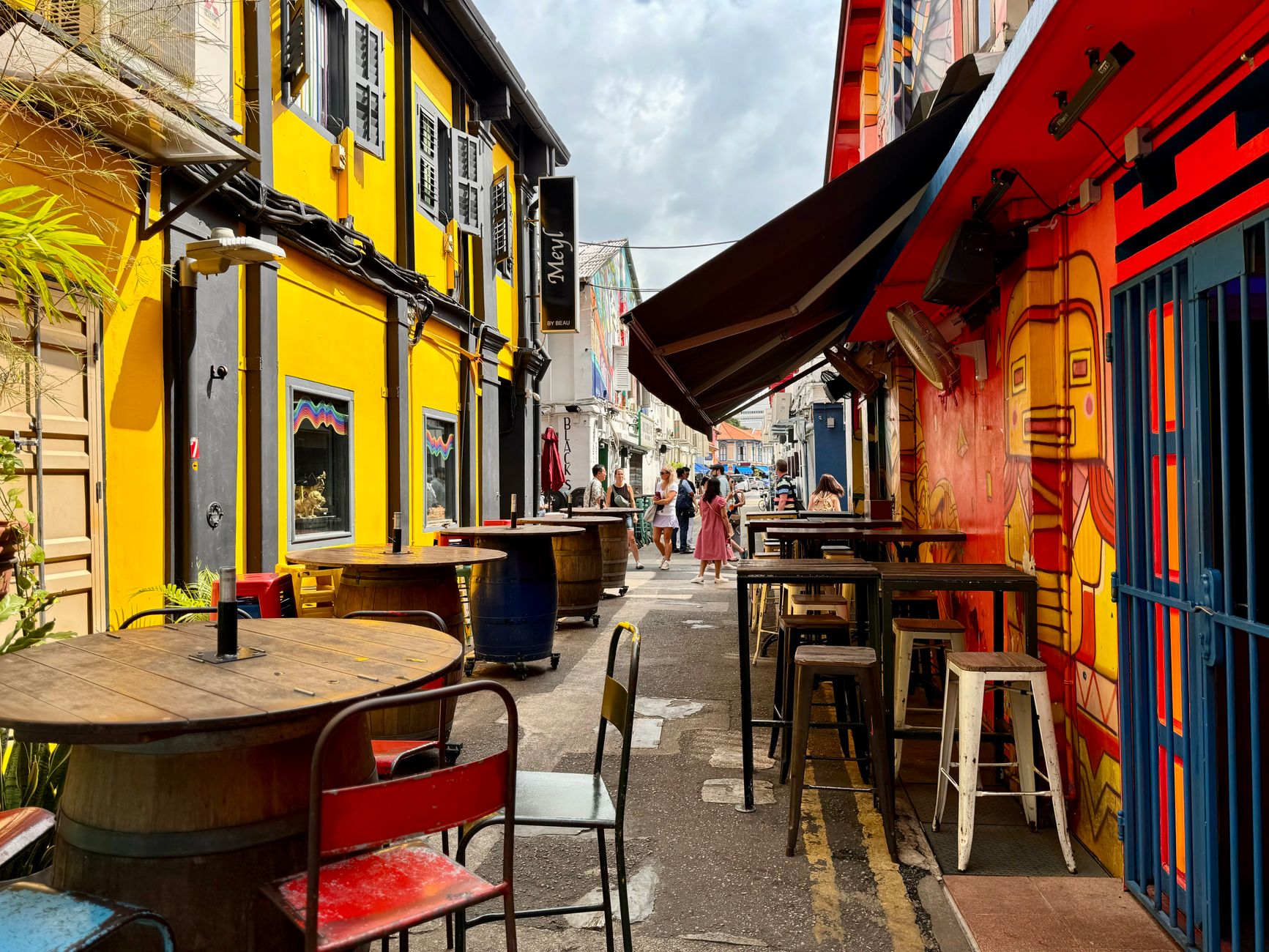
    Neighbours gathered at street party tables celebrating community happiness on a British residential road
    Photo by Mariel Fernandez on Pexels

    A genuine revival, not just nostalgia

    The numbers are real. The Office for National Statistics wellbeing data consistently shows that social connection is one of the most reliable predictors of life satisfaction, more reliable than income above a modest threshold. And yet, for much of the last two decades, the texture of British neighbourhood life became thinner. People moved about more, worked longer hours, and retreated behind front doors.

    The pandemic years were strange and painful, but they did produce one unexpected side effect: a renewed appetite for local belonging. Street WhatsApp groups formed out of necessity, mutual aid networks sprang up on housing estates and in market towns, and people discovered that the person at the end of their road was actually quite good company. When the restrictions lifted, many communities decided they did not want to go back to polite anonymity. The street party was a natural next step.

    What the research actually says about belonging

    I find the psychology here genuinely compelling. The concept of “place attachment”, the emotional bond people form with a specific location, has been studied seriously by UK social geographers, and the evidence is consistent: people who feel a strong sense of belonging to their neighbourhood report lower anxiety, better physical health outcomes, and higher day-to-day happiness. A street party, however modest, is one of the most efficient tools for building that attachment quickly.

    Part of the reason is what researchers call “weak tie” relationships. Your close friends are your strong ties. But the neighbours you wave to, the couple you chat with at the end of the road, the family whose children play with yours occasionally, these are weak ties, and they turn out to matter enormously. A 2023 report from the What Works Centre for Wellbeing found that frequent contact with weak-tie neighbours is associated with measurably higher life satisfaction. A street party, almost by definition, is a machine for generating those contacts. You talk to people you would never seek out deliberately, and somehow that is exactly the point.

    Colourful bunting at a street party community gathering symbolising neighbourhood happiness
    Photo by RDNE Stock project on Pexels

    From jubilee celebrations to festive float parades

    British communities have always found a reason to gather. The late Queen’s Platinum Jubilee in June 2022 saw over 70,000 street parties registered across the country, according to street party charity Street Party. But the interesting thing is what happened afterwards: many communities discovered they liked it and kept going. Local councils report that applications for temporary road closures for community events have remained elevated well beyond the jubilee year.

    Autumn and winter have their own traditions. Bonfire Night brings neighbourhoods together around communal fires. Christmas float parades, organised by local volunteers who spend weeks building decorated floats and pushing them through residential streets in the dark and the drizzle, are a fixture in hundreds of towns from Taunton to Tynemouth. These events require real effort and real organisation, and that shared effort is itself part of what makes them meaningful. If you want to understand how community projects fix more than just physical things, the festive float parade is a good case study. The object being built matters less than the conversations had while building it.

    The practical business of putting on a community event

    Organising a street party or community gathering is less complicated than most people assume, but it does involve a checklist. You will need a road closure permit from your local council (most have streamlined the process considerably since 2022), public liability insurance, and a plan for managing things like power, weather, and accessibility. Many councils offer grant funding for exactly this kind of event, it is worth contacting your ward councillor early, as pots of money exist that go largely unclaimed.

    For anyone helping to build physical structures, a stage, a decorated arch, a float, or a timber shelter for a December market stall, the practical details matter more than they might seem. External timber takes a beating in a wet British winter, and the fixings holding it together need to be chosen carefully. If you are helping to organise a physical build of any kind, it is worth reading a related article, galvanised vs stainless steel fixings: which should uk builders be specifying for external timber and masonry? before you start drilling. Getting the fixings wrong on a temporary outdoor structure is the kind of mistake that causes problems precisely when you least want them.

    Beyond the structural basics, the most successful community events I have seen work because someone took the time to involve everyone rather than just the usual suspects. A street party that draws only the families who already know each other has missed its own point. Putting a flyer through every door, including the people who have lived nearby for years without ever quite integrating, is where the real social value gets created.

    Why this connects to broader happiness habits

    Street parties sit within a wider pattern of habits that consistently improve wellbeing, patterns this blog has explored from several angles. The impulse behind volunteering regularly as a happiness habit is essentially the same one that motivates someone to spend a Saturday afternoon making bunting: you are doing something for other people, which turns out to be one of the most reliable routes to feeling good yourself.

    There is also something in the deliberate, unhurried quality of a well-run community gathering that connects to the broader appeal of slow living. You cannot rush a street party. The point is to linger, to have conversations that meander, to eat food that someone made at home rather than ordered from an app. In that sense, a street party is an act of gentle resistance against the pace that most of us find quietly exhausting.

    My own take, having watched a few of these events come together, is that the organisers always underestimate how much people want to come. The fear is always that no one will show up. The reality is almost always the opposite. People are waiting for someone to create the excuse. The trestle tables, the slightly warm cider, the children running about unsupervised in a closed road, these things are not nostalgic. They are genuinely what a lot of people want their lives to contain more of.

    How to get your own street party started

    The practical starting point is simpler than you think. Talk to two or three immediate neighbours first, get their buy-in, then knock on more doors. Contact your local council about road closure applications, in England, the process is governed by the Highways Act and most authorities have a simplified community event route. The street party charity’s website has free downloadable guidance including template letters and insurance information. Set a date, make it rain-proof with a marquee if your budget allows, and accept that British weather is part of the experience rather than a reason to cancel.

    The research on community wellbeing, the evidence from post-jubilee Britain, and frankly my own observation all point in the same direction. The street party is not a throwback. It is one of the most effective tools available to anyone who wants their neighbourhood to feel like a place worth living in, not just an address.

    Frequently Asked Questions

    How do I get permission to hold a street party in the UK?

    You need to apply to your local council for a temporary road closure. Most councils in England have a simplified community event process, and applications should be made at least six weeks in advance. Many councils also offer small grants to cover insurance and equipment costs.

    Do street parties actually improve community wellbeing, or is that just a nice idea?

    The evidence is solid. Research from the What Works Centre for Wellbeing shows that regular contact with neighbours, even casual, weak-tie contact, is linked to measurably higher life satisfaction. Street parties are one of the most efficient ways to create those connections quickly.

    What insurance do I need for a street party?

    Public liability insurance is standard for any community event on a public road. Many insurers offer one-day event cover for modest sums, and some councils include basic cover as part of an approved road closure permit. The Street Party charity website has guidance on affordable options.

    Are street parties only a summer thing, or can communities hold them in winter?

    Plenty of UK communities hold winter gatherings, Christmas float parades, bonfire events, and festive street markets are common from November onwards. You will need weather-appropriate infrastructure like a marquee or shelter, and good-quality external fixings if you are building any timber structures.
  • How Embracing Slow Travel Is Making British Holidaymakers Genuinely Happier

    How Embracing Slow Travel Is Making British Holidaymakers Genuinely Happier

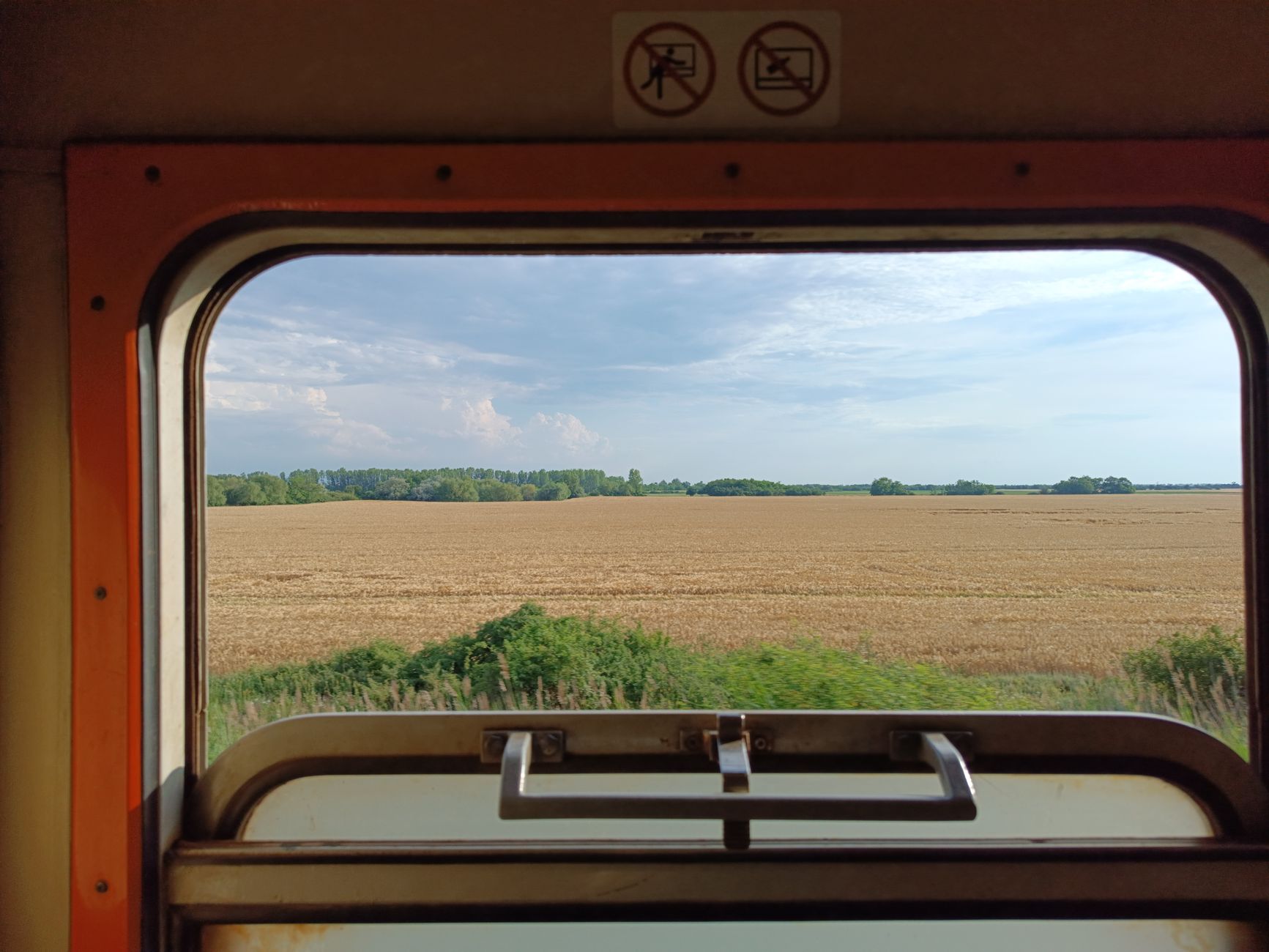
    Something has shifted. Speak to anyone who recently took the Eurostar to Paris, or spent two nights aboard a ferry to Santander, and you’ll notice they don’t just talk about the destination. They talk about the journey itself, as though that was the holiday. The getting-there has become the point. This is slow travel in practice, and it’s quietly becoming one of the most talked-about wellbeing shifts among British holidaymakers right now.

    Slow travel UK happiness isn’t a wellness buzzword dreamt up by a lifestyle brand. It’s a pattern that’s emerging from real choices: people booking sleeper trains through the Alps, taking the overnight ferry from Harwich to the Hook of Holland, or spending three days on the Caledonian Sleeper before they even reach their Scottish cottage. I’ve spoken to people who describe these journeys as the most restful parts of their trip. That’s not nothing.

    View through a train window of green countryside, capturing the essence of slow travel UK happiness
    Photo by domjantt6 on Pexels

    Why short-haul flights have started to feel like hard work

    Flying has a well-documented misery attached to it now. Budget airlines have stripped back everything that once made air travel feel like an occasion. You’re herded through security, charged for a bag, crammed into a seat with 30 centimetres of legroom, and expected to feel grateful because it only cost £49 each way. The stress begins before you’ve even left the house. A BBC survey on travel stress found that airport queues and security procedures rank among the top sources of holiday-related anxiety for British travellers. You arrive at your destination frazzled, and it takes a day just to decompress.

    Rail and ferry journeys, by contrast, tend to do the opposite. You board at a civilised hour, find your seat, watch the countryside change through a window, and eat something that doesn’t come in a foil wrapper. The rhythm of the journey itself seems to begin the unwinding process. I’d argue this is one of the most underappreciated aspects of slow travel: it doesn’t wait for you to arrive before giving you anything.

    What travellers actually report feeling

    The anecdotal evidence is strong, but there’s something more structural happening too. Research published by the mental health charity Mind has long pointed to natural landscapes and reduced sensory overload as significant contributors to improved mood. A slow train journey through the Scottish Highlands or across France delivers both, for hours at a stretch. You’re not sitting in a pressurised metal tube staring at a seatback screen. You’re watching the world move at a pace your nervous system can actually process.

    People who’ve made the switch frequently mention three things: they feel calmer on arrival, they feel more present during the trip, and they return home without the specific exhaustion that comes from connecting flights and early-morning airport runs. One traveller I spoke with described taking the train from London St Pancras to Marseille: “By the time we got there I felt like I’d already had a mini-break on the train. I wasn’t playing catch-up with my own body.”

    This connects directly to what the slow living movement in the UK has been saying for some time: that deceleration itself has value. Speed has been sold to us as a virtue, but it turns out that slower transitions between states, whether between home and away, or work and rest, seem to help people settle more fully into where they are.

    The rail and ferry options that UK travellers are actually using

    The infrastructure is better than many people realise. Eurostar connects London St Pancras to Paris, Brussels, Amsterdam and Cologne. The LNER Caledonian Sleeper runs overnight from London Euston to Edinburgh, Glasgow, Aberdeen, Inverness and Fort William. Brittany Ferries operates routes from Plymouth, Poole and Portsmouth to France and Spain, with overnight crossings that include cabins, restaurants and sea air. Stena Line runs ferry services across the Irish Sea. None of this requires heroic logistical planning.

    The cost question is real, though. A Eurostar ticket booked in advance can be cheaper than a flight once you factor in luggage fees, transfers and the general faff of flying from a regional airport. A cabin on an overnight ferry to France, booked several months ahead, often lands in a comparable range to a budget airline fare. The economics aren’t always punishing. Where slow travel does cost more, many people who’ve tried it say they’d gladly pay the difference.

    How it changes the holiday itself

    There’s a broader effect that slow travellers tend to notice: their relationship with the destination changes. When you’ve watched the landscape gradually shift from the Home Counties to Provence over six hours of train travel, you arrive somewhere with a proper sense of distance covered. You’ve earned the geography, in a mild and pleasant way. This seems to sharpen attention once you get there. People report being more curious, more willing to stay put in one place, less compelled to rush through a list of attractions.

    That’s consistent with what psychologists describe as “arrival fallacy”, the tendency to immediately start thinking about the next thing the moment you’ve reached a destination. Slow travel seems to soften this. You’ve already been present for several hours before you arrive, and that state carries forward.

    I’ve noticed this connects to something I’ve written about separately: the British art of pottering, the value of time that isn’t rushing anywhere, that simply allows things to unfold. A good train journey through France or a calm overnight crossing to Ireland is pottering at a grand scale.

    The environmental angle matters, but it’s not the whole story

    A return flight from London to Barcelona produces roughly 150kg of CO2 per passenger. The same trip by train produces a fraction of that. Many slow travellers mention the environmental dimension as part of their motivation, but interestingly, it rarely seems to be the primary driver. Most people describe discovering the wellbeing benefits first, and feeling pleased about the environmental side as a bonus. That ordering matters. Guilt-based behaviour change tends not to stick; genuine personal benefit tends to.

    There’s also something worth saying about the quality of rest. If you’ve read about how small daily choices compound into greater satisfaction, the same logic applies to holidays. A journey that begins with a calm departure, unfolds at a human pace and delivers you somewhere feeling settled rather than stressed sets the tone for everything that follows. It’s a different kind of holiday logic, and a lot of British travellers are starting to find it rather appealing.

    Slow travel isn’t a sacrifice. That’s the thing people who’ve tried it keep saying. It turns out the journey was always part of the point, we just forgot for a while.

  • The Quiet Joy of Allotment Gardening and Why Waiting Lists Are Growing Again

    The Quiet Joy of Allotment Gardening and Why Waiting Lists Are Growing Again

    There is something quietly radical about putting your name on an allotment waiting list. You are not buying anything. You are not downloading an app. You are simply saying: I would like a patch of soil, some seeds, and a reason to be outside. Across England and Wales, hundreds of thousands of people are saying exactly that right now, and councils are struggling to keep up.

    The allotment waiting list UK 2026 picture is striking. According to figures from the National Allotment Society, an estimated 150,000 people are currently on council waiting lists in England and Wales, with average waits in cities like Bristol, Leeds, and parts of London stretching beyond five years. The surge is not a blip. It started building during the pandemic years, when people rediscovered that growing things was one of the simplest ways to feel steady, and it has not let up since.

    A productive allotment garden in England, reflecting the rise in allotment waiting list UK 2026 demand
    Photo by Nihat Küçük on Pexels

    Why so many people are joining allotment waiting lists right now

    I have spoken to a handful of plot-holders over the past year, and the reasons they give are remarkably consistent. Very few of them mention the vegetables first. What they mention is the rhythm. Getting up on a Saturday morning with something purposeful to do that asks nothing of a screen. The walk across the site with a flask. The particular pleasure of doing a job that has a beginning, a middle, and an end.

    Cost-of-living pressure plays a part too. A standard council allotment plot (typically around 250 square metres) can produce a meaningful quantity of vegetables across the growing season, and annual rents remain low, often between £30 and £100 depending on the council and region. For families watching their food bills closely, that maths starts to look attractive. But I would argue the deeper pull is something else: the sense of competence that comes from growing your own food. There is genuine satisfaction in it, similar to what researchers have found in people who cook from scratch at home. You have produced something real.

    What allotments do for mental health and community

    The evidence linking gardening to reduced anxiety is not thin. A 2022 study published in the British Journal of Psychiatry found that regular contact with green space and soil-based activity measurably reduced symptoms of low mood and generalised anxiety. Allotments add a layer on top of that: community. Most sites have a culture of surplus-sharing, of stopping to talk about blight on tomatoes or the best way to deal with slugs. That informal sociability, with no agenda and no pressure, is quietly valuable.

    This connects to something I think about a lot when writing here. Repair cafés work on a similar principle: people gathering around a shared, practical purpose, and the wellbeing gains being almost incidental. Allotment sites operate the same way. Nobody goes for networking. They go for the courgettes. The friendships are a side effect, and that might be exactly why they stick.

    The UK government’s own guidance on allotment legislation notes that councils in England and Wales have a statutory duty to provide allotments if there is sufficient demand in their area, a law that dates back to the Smallholdings and Allotments Act 1908. That duty feels increasingly relevant as demand climbs. Some councils, Birmingham and Sheffield among them, have invested in new sites in recent years, but supply still lags well behind the surge of interest.

    Getting on a waiting list and what to do whilst you wait

    The practical reality is that joining your local council waiting list might mean a multi-year wait, particularly in urban areas. That is a genuine frustration. But there are things you can do in the meantime that are worth knowing about.

    Some allotment associations run their own informal lists separately from the council, so it is worth contacting your nearest site directly. Community gardens (distinct from allotments, but operating on similar principles) exist in most towns and cities, and many welcome volunteers who eventually get access to a bed. Organisations like Incredible Edible, which started in Todmorden in West Yorkshire, have spread across hundreds of UK communities and offer a way into food-growing without needing your own land at all.

    At home, raised beds and container growing on a terrace or in a back garden are not a substitute for a full plot, but they are a real entry point. Tomatoes, herbs, salad leaves, and courgettes will all grow well in containers. And if you live somewhere with communal garden space or a shared courtyard, it is worth talking to neighbours about a small growing project. The spirit of the allotment, that combination of purposeful outdoor activity and informal community, can be recreated at a smaller scale. Think of it as productive pottering, which turns out to have its own wellbeing benefits entirely.

    The happiness case for getting your hands dirty

    Soil itself may matter more than we realise. Research from University College London has suggested that contact with Mycobacterium vaccae, a bacterium naturally found in soil, may trigger serotonin production in the brain. Whether or not the science fully bears that out over time, the subjective reports from allotment holders point in the same direction: people feel better after time on their plot. Calmer. Less stuck in their heads.

    I think there is also something important about the patience that allotment gardening demands. You plant in spring and wait. You cannot hurry a leek. In a culture that rewards speed and instant feedback, that enforced slowness is almost countercultural, and for many people, deeply restoring. It fits neatly with the broader case for slow living as a genuine happiness strategy, not a lifestyle aesthetic.

    The allotment waiting list UK 2026 is long. In some places, very long. But the fact that so many people are prepared to wait years for a patch of earth says something real about what we are all looking for: a reason to be outside, something to tend, and a place where the pace is set by seasons rather than notifications. That seems worth the wait to me.

    Frequently Asked Questions

    How long is the allotment waiting list in the UK in 2026?

    Average waiting times vary significantly by location. In rural areas you might wait a year or less, but in cities like London, Bristol, and Leeds waits of four to seven years are common. Contacting your local council and individual allotment associations directly gives you the most accurate picture for your area.

    How do I join a council allotment waiting list in England or Wales?

    You apply directly to your local council, usually through their housing or parks department, or via the council website. Some individual allotment sites also maintain their own lists, so it is worth approaching the site committee as well as the council to maximise your chances.

    How much does an allotment cost to rent in the UK?

    Annual rents for a standard full plot (around 250 square metres) typically range from £30 to £100 in England and Wales, though some inner-city sites charge more. Half-plots are often available at reduced rates and are a good starting point for newcomers.

    Are councils legally required to provide allotments?

    Yes. Under the Smallholdings and Allotments Act 1908, councils in England and Wales have a statutory duty to provide allotments if there is sufficient demand from local residents. However, enforcement is limited and many councils have long waiting lists rather than expanding provision quickly.

    What can I grow on an allotment as a beginner?

    Courgettes, potatoes, salad leaves, broad beans, and onions are all forgiving and productive choices for first-time plot-holders. Starting with a half-plot lets you concentrate on a manageable area, build your knowledge, and avoid the overwhelm that sometimes puts beginners off in the first season.

  • How British Workers Are Quietly Redefining What a ‘Good Job’ Actually Means

    How British Workers Are Quietly Redefining What a ‘Good Job’ Actually Means

    Something shifted quietly during the pandemic years, and it hasn’t shifted back. Across Britain, workers who once measured a good job almost entirely by its salary are now asking very different questions before they sign a contract. How many days can I work from home? Does this company’s purpose mean anything to me? Will I be trusted to manage my own time? Job satisfaction in the UK, it turns out, is far more complicated than a pay packet.

    I’ve spoken to enough people about this to know it isn’t just a media narrative. A friend who works in marketing in Manchester turned down a ten-thousand-pound pay rise last year because the role required five days in an office. She wasn’t being naive. She was making a calculation based on what she’d learnt about herself during lockdown: that autonomy was worth more to her than a higher number on a payslip.

    Person working from home, reflecting the shift in job satisfaction UK expectations post-pandemic
    Photo by RDNE Stock project on Pexels

    What UK workers actually say they want from work

    The data backs her up. The CIPD’s Good Work Index, which surveys thousands of UK employees annually, consistently shows that work-life balance, job security, and having a say over how work gets done matter as much to most people as pay. In the 2025 edition, only a minority of UK workers rated salary as their single most important factor in job satisfaction. Flexible working arrangements, meaningful work, and supportive management all ranked alongside or above it.

    That’s a genuine cultural shift. A generation ago, career advice in Britain largely came down to one directive: earn more, climb higher. The idea that someone might voluntarily trade income for flexibility or purpose was treated as a lifestyle choice for people who could afford it. Now it’s mainstream. A 2024 ONS Labour Force Survey analysis found that over 40% of UK employees regularly work from home at least part of the week, compared to around 5% before 2020. That’s not a blip. That’s a structural change in how work happens.

    The four-day week trials and what they actually found

    Britain ran one of the world’s largest four-day working week pilots in 2022, with 61 companies and around 2,900 employees taking part. The results, published by researchers at Cambridge and Boston College, were striking: 92% of the companies that completed the trial chose to keep the four-day week permanently. Employee stress dropped, reported job satisfaction climbed, and revenue held steady or improved across most participating firms.

    Since then, a growing number of British employers have adopted it as standard. Atom Bank, based in Durham, moved all its staff to a four-day week in 2021 and has never looked back. Dozens of councils and public sector bodies have run their own pilots. The pattern across all of them is similar: people given more control over their time tend to work better during the hours they are working.

    British team collaborating in a modern office, illustrating changing job satisfaction UK culture
    Photo by Felicity Tai on Pexels

    Critics point out, reasonably, that a four-day week doesn’t suit every sector. Healthcare, retail, emergency services, hospitality, manufacturing. The model requires work to be compressible, which not all work is. But the broader principle the trials are probing isn’t really about hours. It’s about whether the traditional full-time, office-based employment contract is the only valid shape a job can take. A lot of British workers have already decided the answer is no.

    Purpose-driven work and why it matters more post-pandemic

    There’s a quieter element to this shift that gets less coverage than flexible hours. A growing number of UK workers, particularly those under 40, are actively seeking roles with a sense of purpose behind them. Not necessarily charity work or public service, though those sectors have seen increased applicants. More broadly, people want to feel that what they do matters, that the organisation they work for has values they can live with.

    This connects to something I think is underappreciated in the happiness conversation: the link between meaningful work and general wellbeing. Research published by the What Works Centre for Wellbeing found that people who report feeling their work is meaningful score significantly higher on life satisfaction measures. That’s not surprising if you consider how much of our waking time we spend at work. It’s also why workplace kindness schemes across British offices have gathered momentum: employers are beginning to understand that a decent culture isn’t just nice to have, it’s part of the value proposition for talent.

    I’d also draw a connection here to the broader trend of Britons reassessing what makes life good. Whether it’s the slow living movement gaining ground in the UK or more people choosing experience over accumulation, there’s a clear thread. People are trying to make their daily lives feel more like lives they’ve actually chosen. Work is simply the biggest piece of that.

    What good employers are doing differently

    The companies navigating this well share a few practical traits. They’ve moved away from measuring presence and started measuring output. They communicate clearly about what matters and why, so employees understand where their contribution fits. They offer genuine flexibility, not the performative kind where remote working is technically allowed but subtly discouraged.

    They also pay attention to the small things. Structured check-ins that aren’t surveillance. Managers who ask how someone is and mean it. Space for people to do work that connects to a wider sense of purpose, whether that’s a volunteering day, a project outside their usual remit, or simply being told that what they’re doing is valued. If you haven’t read about the evidence for volunteering as a genuine happiness habit, it’s worth considering how companies that build community engagement into their culture tend to score better on staff retention too.

    Pay still matters, obviously. Nobody is arguing that workers should accept poverty wages in exchange for a good vibe. But the relationship has changed. A fair salary is now more like the entry requirement than the main attraction. Once that box is ticked, British workers are looking hard at everything else, and more of them than ever are willing to walk away from roles that fail that test.

    Where this leaves us

    The shift in how UK workers define job satisfaction isn’t a rejection of ambition. It’s a redefinition of what ambition looks like. Wanting control over your time, wanting work that feels worthwhile, wanting an employer who treats you as an adult: none of those things are unreasonable. A generation of workers who spent lockdown asking what actually matters have come out with some fairly clear answers.

    Employers who treat this as a passing phase are going to keep struggling to recruit and retain good people. Those who take it seriously, and genuinely build working environments around what humans actually need rather than what twentieth-century management theory prescribed, will find themselves with something genuinely valuable. And yes, if you’re curious about gathering background research on any data-driven topic, resources like Car Data Wiki show how specialist knowledge bases can make deep research faster. The same methodical approach applies when organisations try to understand what their own workforce actually wants, rather than guessing.

    The conversation about job satisfaction in the UK has moved on. The question for every employer now is whether they’ve moved with it.

    Frequently Asked Questions

    What do UK workers now value most in a job besides salary?

    According to the CIPD’s Good Work Index, UK employees consistently rank work-life balance, flexible working, and having a sense of purpose alongside or above pay. The ability to work from home at least part of the week is now a key factor for a large proportion of job seekers.

    Did the UK four-day week trial actually work?

    Yes, by most measures. The 2022 UK pilot, which involved 61 companies and nearly 3,000 employees, found that 92% of participating firms chose to keep the four-day week after the trial ended. Employee wellbeing improved and revenue held steady or increased across most organisations.

    How has flexible working changed since the pandemic in the UK?

    ONS data shows that over 40% of UK employees now regularly work from home at least part of the week, up from around 5% before 2020. This structural shift has made hybrid and remote working a standard expectation rather than a perk for most office-based roles.

    Is purpose-driven work just for younger employees?

    No, though it tends to be most prominent among workers under 40. Research from the What Works Centre for Wellbeing shows that feeling one’s work is meaningful correlates with higher life satisfaction across age groups. Employers in sectors from finance to retail are responding by communicating purpose more clearly.

  • Why Volunteering Once a Month Could Be the Simplest Happiness Habit You Adopt This Year

    Why Volunteering Once a Month Could Be the Simplest Happiness Habit You Adopt This Year

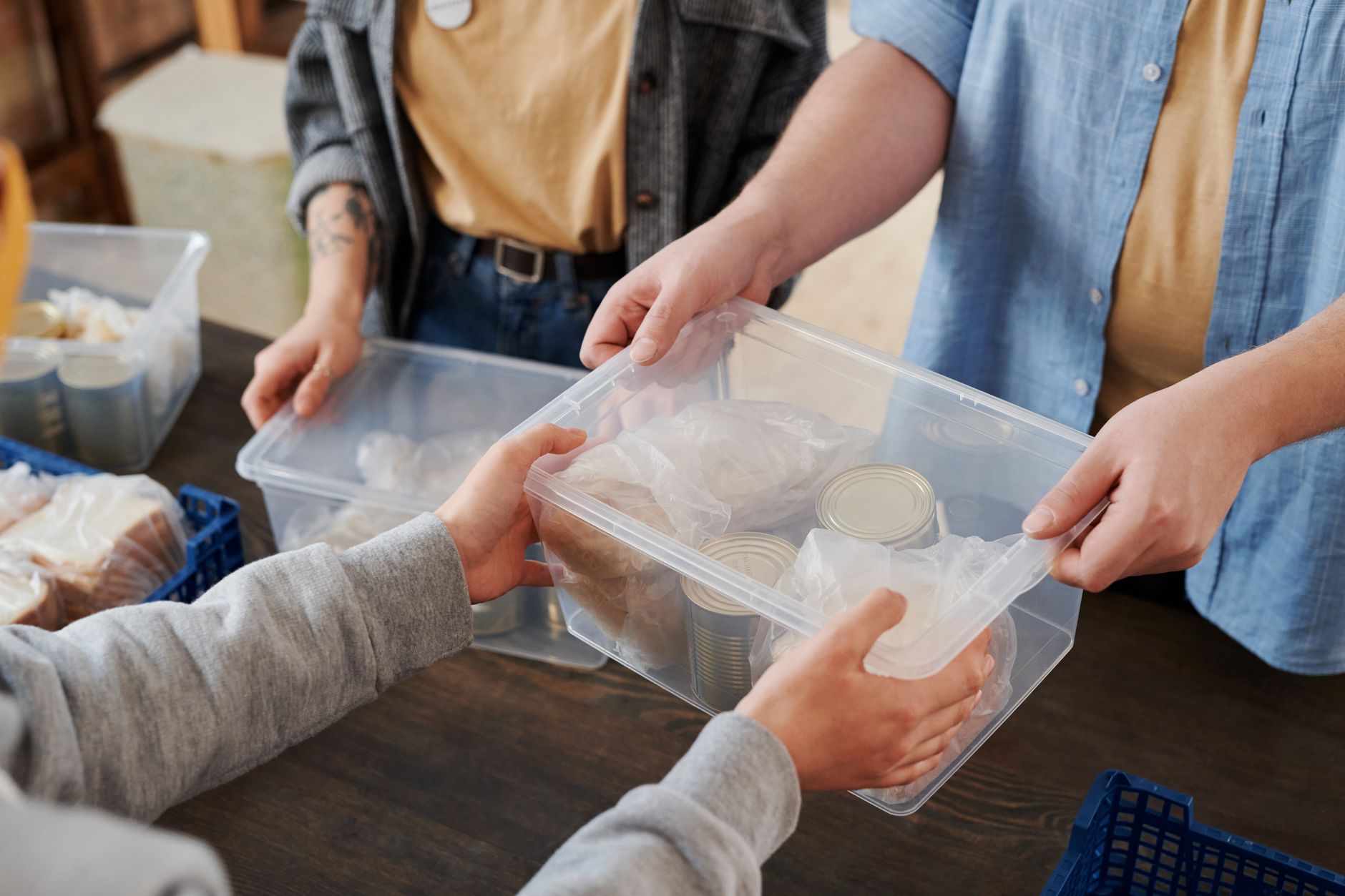
    There is a moment, usually about twenty minutes into helping out at a local food bank or community garden, when something shifts. The mental noise quiets down. You stop thinking about your inbox. You are just there, doing something useful, for someone who needs it. I’ve experienced it myself, and I’ve heard people describe it in almost identical terms, regardless of where in the country they volunteer or what they’re actually doing.

    It turns out this isn’t coincidence or sentiment. The link between volunteering happiness UK-wide and genuine psychological benefit is one of the more robustly supported findings in wellbeing research. And the amount of time required is far smaller than most people assume.

    Volunteers working together at a UK food bank, illustrating the link between volunteering happiness UK and community purpose
    Photo by Julia M Cameron on Pexels

    What the UK data actually shows

    The Community Life Survey, run by DCMS, has tracked volunteering behaviour and self-reported wellbeing across England for over a decade. Consistently, people who volunteer at least once a month report higher life satisfaction, a stronger sense of purpose, and lower rates of loneliness than those who don’t volunteer at all. The 2023 to 2024 edition found that 27% of adults in England volunteered formally at least once a month, and that group showed notably higher scores across multiple wellbeing measures.

    The numbers hold even when researchers control for confounding factors like income, employment status, and pre-existing social connections. Volunteering isn’t just something happy people happen to do. The act itself appears to produce the effect.

    Why giving your time affects your mood

    Psychology has a few strong explanations for why volunteering happiness UK residents report is genuine rather than placebo.

    The most compelling is what researchers call the “helper’s high”, a real neurological response involving the release of oxytocin and endorphins when we act prosocially. Studies from the University of Exeter’s European Centre for Environment and Human Health have looked at the wellbeing effects of nature-based volunteering specifically, finding reductions in anxiety and improvements in mood comparable to moderate exercise. That matters in a country where mental health pressures on the NHS are well documented.

    There is also the question of purpose. A recurring theme in wellbeing research is that meaning matters more to long-term happiness than pleasure. Volunteering provides a ready-made frame of meaning: your time is clearly doing something for someone beyond yourself. That’s surprisingly rare in ordinary life, and it turns out to be quite nourishing. If you’ve read about what Britain’s most content retirees have in common, you’ll recognise this pattern, a sense of contribution consistently comes up as one of the strongest predictors of life satisfaction in later years.

    The community effect that goes beyond the individual

    One thing that doesn’t always make it into the conversation is what happens to the places where volunteering is common, not just the individuals doing it. Areas with higher rates of regular volunteering tend to have stronger social cohesion, more trust between neighbours, and more resilient local infrastructure when things go wrong.

    The UK has a genuinely rich tradition of this. The repair café movement, which has spread across Britain, is a good example, hundreds of community-run sessions where volunteers fix broken household items for free. On the surface it’s about mending a toaster. Underneath, it’s about people connecting, sharing skills, and keeping something alive in their neighbourhood that the market wouldn’t provide.

    The same dynamic shows up in community gardens, food banks, hospice visiting schemes, park runs, and the countless informal community groups that exist in almost every British town. The fabric of those places depends on people turning up and doing things for free. And those same people, reliably, report feeling better for it.

    Why once a month is enough to start

    People often imagine that volunteering requires a major commitment, a regular weekly slot, a DBS check, a lengthy induction. Sometimes that’s true. But the evidence doesn’t suggest you need to be giving significant time to see a benefit.

    Research from the London School of Economics found that the wellbeing boost from volunteering peaks at around one to two sessions per month for most people. Beyond that, the additional return diminishes. This is genuinely good news. A single Saturday morning at a local food bank, once a month, is enough to start shifting the needle on mood and sense of purpose. You don’t need to overhaul your schedule.

    For people already drawn to the idea of slowing down and living with more intention, volunteering fits naturally into that shift. It’s structured, social, and purposeful in a way that purely solitary habits often aren’t. And unlike some wellbeing practices that can feel quite inward-looking, it directs your attention outward, which, somewhat paradoxically, is often exactly what helps.

    How to actually find something that suits you

    The most common reason people don’t start is that they don’t know where to look, or they pick something that doesn’t fit and then write off the whole idea. A few practical pointers based on what tends to work.

    Do-it.org is the UK’s largest volunteering database and lets you search by postcode, time commitment, and type of role. Most local councils also maintain their own volunteering directories. If you want something with a community-building slant rather than a service-delivery one, look at local allotment groups, repair cafés, or neighbourhood mutual aid networks, these tend to have lower formal barriers and a more relaxed atmosphere.

    Pick something connected to an interest you already have. If you enjoy being outdoors, the National Trust and Wildlife Trusts both run large volunteer programmes. If you’re drawn to people and conversation, hospice befriending or community library volunteering might be the fit. The research suggests enjoyment of the activity itself moderates the wellbeing effect, so going through the motions somewhere you resent being won’t produce the same result.

    The habit that compounds

    What I find most interesting about this area of research is how different it looks from most wellness advice. No special equipment. No subscription. No particular skill level required. Just showing up somewhere, regularly, and helping with something real.

    The social aspect is part of why the habit compounds. People who start volunteering tend to report that they become more connected to their local community over time, which in turn makes them more likely to continue. They know more of their neighbours. They feel more invested in their area. Some of what they’re experiencing overlaps with the wellbeing that comes from everyday acts of kindness in community settings, the quiet accumulation of small moments of connection that gradually change how you feel about the world around you.

    Volunteering happiness UK researchers talk about isn’t a grand transformation. It’s slower and quieter than that. But the evidence that it works is solid, the barrier to starting is low, and the return extends well beyond the person doing it. That strikes me as a fairly good deal.

  • Why Britons Are Rediscovering the Simple Pleasure of Writing Letters by Hand

    Why Britons Are Rediscovering the Simple Pleasure of Writing Letters by Hand

    There is something quietly radical about sitting down with a piece of paper, a decent pen, and the deliberate intention to write to another person. No autocomplete. No read receipts. No notification that they’ve seen it and haven’t replied. Just ink, thought, and a little patience. I’ve noticed more people talking about letter-writing lately, not as nostalgia for nostalgia’s sake, but as a genuine response to feeling overwhelmed by the constant churn of digital communication. And the evidence suggests they’re onto something.

    Woman writing a handwritten letter at a desk, illustrating the benefits of writing letters by hand UK
    Photo by cottonbro studio on Pexels

    The slow living movement in the UK has been quietly gathering pace for a few years now, and handwritten correspondence fits squarely within it. When everything from work emails to birthday wishes arrives as a push notification, receiving a physical letter feels different in a way that’s hard to fully articulate but easy to feel. The Royal Mail’s own research has found that 70% of people say receiving a handwritten letter makes them feel genuinely special. That’s not a small number, and it points to something real about how human brains are wired for the tangible.

    Why slow communication feels different to fast communication

    Writing a letter takes time, and that’s the entire point. You have to decide what to say before you say it. There’s no delete button once the ink is dry, so you choose your words more carefully. Psychologists call this deliberate processing, and it’s the opposite of the reactive, reflexive mode most of us slip into when we’re firing off text messages or replying to emails in a hurry.

    Dr Veronica Lamarque, a wellbeing researcher at the University of Exeter, has written about how the act of composing a letter by hand engages a different kind of attention than typing. The slower pace allows genuine reflection. You’re not just communicating; you’re thinking. And thinking, it turns out, is something many of us don’t do enough of in any given day. I’d argue that even the physical act of choosing a card, finding a stamp, and walking to the post box involves a series of small, deliberate choices that feel good in a way scrolling simply doesn’t.

    What the wellbeing research actually says

    The benefits of writing letters by hand in the UK aren’t just anecdotal. A 2023 study published in the British Journal of Health Psychology found that participants who wrote expressive letters to friends and family reported measurably lower levels of loneliness after four weeks compared to a control group who communicated only digitally. The act of writing forced them to articulate feelings they hadn’t consciously examined, which itself had a positive effect on mood.

    There’s also a growing body of work on the link between handwriting and cognitive health. The NHS acknowledges that activities requiring fine motor skills and sustained concentration, including writing by hand, can support brain health across all age groups. For older adults particularly, regular handwriting has been associated with sharper memory recall and improved focus. If you’re interested in how small, tactile habits connect to everyday happiness, the parallels with cooking from scratch are striking: both involve slowing down, using your hands, and producing something that didn’t exist before you started.

    The community and connection angle

    Letter-writing isn’t only a solo pursuit. Across the UK, pen pal schemes are seeing a quiet revival. Organisations like Letter Exchange connect people across age groups, and several NHS trusts have introduced letter-writing programmes in care homes and mental health wards after noticing that receiving post improved residents’ outlook. There’s a particular poignancy to letters in the context of loneliness, which the UK Government’s own loneliness strategy identifies as a public health concern affecting millions of people.

    I think what makes letter-writing so potent as a wellbeing tool is that it’s inherently other-focused. You sit down to write because you’re thinking about someone else. You imagine them opening the envelope. You choose detail that you know will resonate with them specifically. That kind of intentional generosity, extended to another person over the time it takes to fill a page or two, is genuinely good for both parties. It’s the written equivalent of what researchers mean when they talk about prosocial behaviour improving the giver’s mood as much as the receiver’s.

    Getting started without making it a chore

    One of the things that puts people off is the mistaken belief that a letter needs to be long, literary, or in any way impressive. It doesn’t. The best letters I’ve received have been two paragraphs written on the back of a postcard, specific and warm and clearly meant just for me. That specificity is what distinguishes a letter from a mass-market greeting card. You don’t need beautiful stationery, although a decent pen does help, purely for the physical pleasure of writing with it.

    Start small. Pick one person you haven’t spoken to properly in months and write them a single side. Tell them something you’ve been thinking about lately, ask them a question you’re genuinely curious about, and sign off. Post it. The act itself, from the moment you sit down to the moment you hear it drop into the post box, is the practice. The reply, if it comes, is a bonus.

    This kind of gentle, intentional habit sits comfortably alongside the broader case for pottering and unproductive time, those stretches of the day when you’re doing something for its own sake rather than for any measurable outcome. Letter-writing is productive in the deepest sense while looking very much like doing nothing. That’s a rare combination.

    What to do with the letters you receive

    Keep them. This sounds obvious, but in an age when we habitually delete and archive, the instinct to store physical objects has weakened. A bundle of letters in a drawer is an archive of relationships, a record of who was thinking of whom and when. Many people who’ve inherited boxes of family correspondence describe the experience of reading them as unexpectedly moving. You get a version of a person that no photograph or voicemail captures. Letters preserve the texture of thought.

    There’s a real happiness to be found in the benefits of writing letters by hand, not because it’s retro or counter-cultural, but because it’s human. It slows you down, focuses your attention on one person, and produces something real. In a year when inbox anxiety has become almost universal, that feels less like a nostalgic hobby and more like a genuine act of care, for someone else and, quietly, for yourself.

    Frequently Asked Questions

    What are the mental health benefits of writing letters by hand?

    Handwriting a letter encourages deliberate thought and reflection, which has been linked to reduced anxiety and improved emotional clarity. Research published in the British Journal of Health Psychology found that people who wrote expressive letters to others reported lower loneliness levels after just four weeks compared to those communicating digitally only.

    Is there a pen pal scheme in the UK for adults?

    Yes. Letter Exchange is a well-established UK pen pal scheme connecting adults across age groups and interests. Several NHS trusts and care organisations have also introduced structured letter-writing programmes for older residents and those experiencing loneliness or poor mental health.

    Does handwriting help with focus and concentration?

    Evidence suggests it does. Writing by hand engages sustained attention and fine motor coordination in ways that typing doesn’t, and the NHS recognises such activities as beneficial for cognitive health. For older adults especially, regular handwriting has been associated with better memory recall and sharper concentration.

    How do I start writing letters again if I haven't done it in years?

    Start with a single side of paper or even a postcard to someone you’ve been meaning to catch up with. Keep it specific and personal rather than long or literary. You don’t need fancy stationery, though a comfortable pen helps. The habit builds naturally once you’ve sent your first one and felt the satisfaction of doing so.

  • The British Habit of Pottering and Why Doing Nothing Productive Is Actually Good for You

    The British Habit of Pottering and Why Doing Nothing Productive Is Actually Good for You

    There is a word that exists almost nowhere else in the English-speaking world quite the way it does here. Pottering. You know what it means before anyone defines it for you: shuffling between rooms without particular purpose, rearranging things on a shelf, half-deadheading the plants by the back door, making a second cup of tea and forgetting where you left it. The British have been doing this for generations and, quietly, neuroscience is catching up to explain why pottering mental health benefits are very real indeed.

    I’ve been a potter my entire adult life without ever having the vocabulary to justify it. On a Saturday morning, given free time with no obligation attached, I will drift through the house doing approximately nothing for two hours and feel genuinely restored by it. My partner calls it wasted time. I’d argue the opposite is true.

    Woman pottering at home on a quiet morning, illustrating pottering mental health benefits
    Photo by Ivan S on Pexels

    What pottering actually is (and what it isn’t)

    Pottering sits in a curious middle ground. It is not rest, not sleep, not meditation, and certainly not leisure in the organised sense. You are moving, but without urgency. You are doing things, but not completing them. A potter might straighten books on a shelf, then wander into the garden, then come back inside and wipe down the kitchen counter without having been told to, then stand by the window for a while just looking at nothing in particular.

    The key quality is the absence of a fixed outcome. There is no task to tick off. The activity is self-directed and low-stakes, which is precisely what makes it unusual in a culture that has spent the last two decades glorifying productivity above almost everything else.

    It is also distinctly different from doom-scrolling or passive screen time. Pottering involves gentle physical movement and mild sensory engagement with your immediate environment. Your hands are doing something, even if your brain is running quietly in the background.

    What neuroscience says about low-effort, self-directed activity

    The brain has a so-called default mode network (DMN), a collection of interconnected regions that become most active when you are not focused on a specific external task. For years, neuroscientists assumed the DMN was basically the brain idling. More recent research has thoroughly overturned that idea.

    The DMN is now understood to be heavily involved in consolidating memories, processing emotions, generating creative insight, and building a coherent sense of self. According to work published by the University of York’s psychology department, mind-wandering and loosely directed activity give the DMN room to do exactly this consolidation work. In simple terms: when you stop concentrating hard, your brain starts filing things away and making connections it couldn’t manage whilst it was busy.

    Pottering, with its gentle movement and absent-minded engagement, appears to land you right in that productive-for-the-brain-without-feeling-productive zone. Your cortisol levels drop. Your heart rate settles. And the DMN quietly gets on with the work that focused attention actively blocks.

    Hands tending to houseplants on a windowsill, a classic pottering activity with mental health benefits
    Photo by Lisa Fotios on Pexels

    The psychological case: autonomy, low stakes, and the mood lift of minor tasks

    Beyond the neuroscience, psychologists point to something simpler. Pottering gives you a sense of gentle autonomy, the feeling that you are choosing what you do and that nothing is at risk if you do it imperfectly. Tightening a loose hinge on the kitchen cupboard, finding a good spot for a new plant, sorting through a drawer of accumulated oddities: these are tasks you selected yourself, with no deadline and no one grading the result.

    Research from the University of Exeter has long connected access to controllable, low-demand environments with reduced anxiety. Your home, when you are free to move through it without agenda, is one of the most controllable environments you will ever inhabit. That sense of being master of your own small domain is not trivial. It accumulates into wellbeing over time.

    There is also the satisfaction of minor completion. Even a potter who starts nothing and finishes nothing often ends up with one small thing slightly better than it was: a tidy corner, a watered plant, a shelf that now makes more visual sense. These micro-wins register in the brain’s reward circuitry. Small as they are, they count.

    This connects to something I’ve noticed in writing about the slow living movement across the UK: the common thread is not inactivity but intentionally unhurried activity. Pottering fits that description perfectly. You are not rushing, not optimising, not performing. You are just present in your own space.

    Why Britain, specifically, does this

    Other cultures have analogous concepts. The Japanese notion of ma describes meaningful pause and empty space; the Danish hygge leans into cosy domesticity. But pottering has a particularly British flavour because it is so unpretentious about itself. It does not require a philosophy. You do not need a dedicated corner of the house or a special set of tools. You just wander about a bit.

    Part of this is probably architectural. British homes, especially terraced houses and semi-detacheds with small rooms that flow into each other, lend themselves to the kind of aimless room-to-room drift that constitutes proper pottering. There is always a window to look out of, a hallway to cross, a back door to open and peer through. Even the act of adjusting the curtains or straightening the blinds, small domestic rituals, fits the pattern. (On that note, if you have been putting off updating those window dressings, Vesta Blinds and Shutters Mansfield is worth a look for anyone in the East Midlands rethinking their options.)

    Britain also has a cultural permission, baked in somewhere between the Victorians and the postwar period, to be quietly occupied at home without having to justify it. The concept of a Sunday afternoon spent doing not very much in particular is socially legible here in a way it is not in more overtly productivity-focused cultures.

    How pottering connects to other happiness habits

    I’ve seen similar patterns in almost every habit that genuinely seems to lift people’s mood over the long term. Cooking from scratch, for example, shares several features with pottering: unhurried physical activity, sensory engagement, low stakes, and a small but real output at the end. The difference is that cooking has a defined goal. Pottering does not even need that.

    The repair café movement across the UK also draws on related instincts. People who attend often say the act of gentle, hands-on work in a low-pressure environment is what they value most, not just the fixed object. That is the pottering impulse finding communal expression.

    Making space for it without feeling guilty

    The main obstacle to pottering is not time. Most people who say they have no time to potter are checking their phones for twenty minutes at a stretch without noticing. The obstacle is permission. We have thoroughly internalised the idea that unstructured time is wasted time, and that if we are going to rest we should at least be doing it properly: exercising, meditating, reading something improving.

    But the research suggests the brain does not need you to optimise your rest. It needs you to give it some undemanding space to operate. A half-hour potter on a weekend morning, no phone, no list, just you and the house and whatever minor thing catches your attention, costs nothing and accumulates into something meaningful over weeks and months.

    The Mental Health Foundation’s guidance on relaxation makes the point that low-intensity physical activity in a familiar environment is one of the more sustainable routes to reducing day-to-day stress. Pottering, though it does not appear by name, fits that description precisely.

    Give yourself an afternoon. Wander around. Make tea. Forget where you left it. Notice something small that could be slightly better and make it slightly better. Then wander somewhere else. You are not wasting time. You are doing something your brain has needed all week.

    Frequently Asked Questions

    What does 'pottering' mean in British culture?

    Pottering refers to moving around the home in an aimless, unhurried way, doing small tasks with no fixed goal or deadline. It is a distinctly British term for the kind of gentle, self-directed domestic activity that fills a relaxed afternoon without any pressure to produce a specific result.

    Is pottering actually good for your mental health?

    Yes, there is real evidence behind it. Low-intensity, self-directed activity activates the brain’s default mode network, which handles emotional processing, memory consolidation, and creative thinking. Pottering reduces cortisol and gives the brain room to do this background work that focused, task-heavy activity can suppress.

    How is pottering different from procrastination?

    Procrastination involves avoiding a specific thing you know you should be doing, which typically generates anxiety. Pottering happens in genuinely free time, with no avoided obligation attached. The absence of a deferred task is what makes it restorative rather than guilt-inducing.

  • How Workplace Kindness Schemes Are Changing the Culture in British Offices

    How Workplace Kindness Schemes Are Changing the Culture in British Offices

    Something quietly interesting is happening inside British offices, warehouses, and NHS trusts. Alongside the usual performance reviews and line-manager one-to-ones, a growing number of organisations are building structured, intentional programmes around something that might sound almost too soft to take seriously: being kind. Workplace kindness schemes UK-wide are picking up pace, and the early results are hard to dismiss.

    I’ve spoken to a handful of HR professionals over the past year who are piloting these schemes, and none of them are naive about the cynicism they face. “People roll their eyes when you first mention it,” one told me, working at a mid-sized housing association in the West Midlands. “By month three, the same people are the ones nominating colleagues.” That pattern keeps coming up.

    Office colleagues sharing a warm moment, illustrating the impact of workplace kindness schemes UK
    Photo by Yan Krukau on Pexels

    What these schemes actually look like in practice

    The term “workplace kindness scheme” covers a wide range of approaches, so it’s worth being concrete. At the simpler end, organisations introduce peer recognition platforms: digital tools where staff can publicly thank a colleague for specific help they gave, often tied to a small reward like a gift voucher or an extra hour of annual leave. Platforms such as Reward Gateway, which is headquartered in London, have seen UK client uptake grow substantially since 2023, with recognition features being among the most used by employees aged 25 to 40.

    More structured versions go further. Some NHS trusts now run “random acts of kindness” fortnights, where managers are given a small discretionary budget to surprise team members with gestures: a handwritten card, a cake for the whole ward, covering someone’s commute on a tough day. Lloyds Banking Group introduced a “Living Kindly” strand as part of its wider inclusion strategy, encouraging teams to check in on quieter colleagues and document meaningful interactions in a shared journal format.

    The Chartered Institute of Personnel and Development (CIPD), which is the UK’s professional body for HR, noted in its 2024 Health and Wellbeing at Work report that organisations with active peer recognition cultures reported lower absence rates and higher scores on employee net promoter surveys. It’s not a silver bullet, but it is a consistent signal.

    Why recognition matters more than a pay rise (sometimes)

    This is where it gets genuinely interesting from a psychological standpoint. Research from the University of Warwick, published in the Journal of Labour Economics, found that happier workers are around 12% more productive. That figure gets quoted a lot, but what’s less discussed is what actually triggers that happiness at work. Salary matters, yes. But day-to-day recognition, the sense that someone noticed your effort, consistently outperforms one-off financial rewards in sustained wellbeing scores.

    I’d argue this connects to something broader about how humans are wired. We are social creatures who need to feel seen. A well-timed “thank you” from a peer can stick with someone for days. A bonus lands in a bank account and is psychologically absorbed within a fortnight. That’s not a reason to underpay people, but it is a compelling reason to complement fair pay with genuine, frequent recognition.

    The slow living movement has been making a similar argument for years: that slowing down and connecting meaningfully with the people around you produces more lasting satisfaction than accumulating things or chasing metrics. The happiness case for slowing down applies inside workplaces just as much as it does at home. When an organisation deliberately carves out time for kindness, it signals that speed and output are not the only things that count.

    What the retention numbers suggest

    Staff turnover is expensive. The CIPD estimates the average cost of replacing an employee in the UK sits between £3,000 and £30,000 depending on the role, once you factor in recruitment, onboarding, and the productivity dip that follows a departure. Retention, then, is not a soft goal. It’s a financial one.

    Early data from organisations running kindness and recognition programmes for 12 months or more is encouraging. A retail group based in Manchester that introduced a structured peer-thanks scheme in early 2024 reported a 14% reduction in voluntary turnover in its distribution centres by the end of the year. A London-based tech firm running monthly “kindness challenges” saw its internal engagement score, measured via Gallup Q12 surveys, rise by 8 points over two quarters.

    These are small samples, and it’s important not to oversell correlation as causation. Other factors change at the same time as new culture programmes launch. But the direction of travel is consistent enough that more organisations are running their own pilots rather than waiting for a definitive large-scale study.

    The peer recognition piece: why it works differently from top-down praise

    One thing that distinguishes the most effective workplace kindness schemes from older “employee of the month” boards is the direction of recognition. Top-down praise, from manager to report, carries authority but can feel evaluative. Peer-to-peer recognition carries something different: credibility from someone who actually knows what you did and how hard it was.

    Schemes that let any member of staff nominate any other member, without it needing to travel up a management chain first, tend to generate more participation and more authentic interaction. They also have a useful side effect: they make visible the invisible labour. The person who always tidies the shared kitchen. The colleague who remembers everyone’s dietary preferences for team lunches. The one who quietly mentors newer staff without being asked. That kind of contribution rarely appears on a performance review, but it shapes daily working life enormously.

    This connects to why experience-based giving is outpacing material rewards in the consumer world too. What people remember and value is rarely the object. It’s the moment of being thought of.

    Getting it right: the common pitfalls

    Not every scheme lands well. A few things tend to go wrong when organisations approach this poorly. Forcing participation is the biggest one. If staff feel they are being scored on how many thank-you notes they send, the whole thing turns performative and meaningless fast. The best schemes are opt-in, low-friction, and led by example from senior figures who genuinely engage rather than delegates who manage it at arm’s length.

    Tokenism is the other failure mode. If the “kindness programme” is announced alongside a round of redundancies, or sits inside a culture where unkind behaviour by senior leaders goes unchallenged, it will be read as exactly what it is: decoration. Authenticity requires that the values behind the scheme are genuinely held and consistently modelled.

    There’s also something worth noting about individual wellbeing at the base. Sleep deprivation and chronic stress make people less capable of generosity, less patient with colleagues, and less likely to notice others’ needs. The most forward-thinking organisations are pairing kindness programmes with genuine workload management and wellbeing support, rather than treating recognition as a substitute for addressing the pressures underneath.

    The organisations getting this right understand something simple: kindness is not a campaign. It’s a culture. And culture is built, or broken, in the ordinary moments between meetings.

    Frequently Asked Questions

    What are workplace kindness schemes and how do they work?

    Workplace kindness schemes are structured programmes where organisations encourage staff to recognise, thank, or support colleagues through formal channels. They typically include peer recognition platforms, small discretionary budgets for managers, or regular challenges that prompt acts of consideration, all designed to make positive behaviour visible and valued.

    Do workplace kindness schemes actually improve staff retention in the UK?

    Early evidence is positive. Some UK organisations running peer recognition programmes for 12 months or more have reported meaningful reductions in voluntary turnover. The CIPD’s research also links active recognition cultures to lower absence rates, though results depend heavily on the authenticity and consistency of how schemes are run.

    Which UK companies or organisations have introduced kindness programmes?

    Several large UK organisations have introduced related initiatives, including Lloyds Banking Group with its “Living Kindly” strand and various NHS trusts running kindness fortnights for ward staff. Smaller and mid-sized firms across retail and tech are also running pilots, often using platforms like London-headquartered Reward Gateway.

    Are peer recognition schemes better than manager-led praise?

    Peer recognition tends to feel more credible to recipients because it comes from someone who directly witnessed their effort. It also reaches contributions that traditional performance reviews overlook. The most effective programmes combine both: managers who model kindness and a peer-to-peer layer that anyone can use without needing management approval.

  • Why Britons Who Cook From Scratch Report Higher Levels of Daily Satisfaction

    Why Britons Who Cook From Scratch Report Higher Levels of Daily Satisfaction

    Something quiet has been happening in British kitchens. Not a television event, not a trend pushed by a celebrity chef, just people choosing to actually cook. Chop things. Simmer things. Make a bit of a mess and then eat what they made. And according to a growing body of UK survey data and psychological research, this habit is doing something meaningful for how people feel about their days.

    The link between cooking from scratch and happiness across the UK is not anecdotal. A 2023 survey by the Food Standards Agency found that nearly six in ten adults who regularly cook meals at home from basic ingredients rated their general life satisfaction as high, compared to fewer than four in ten of those who rely primarily on ready meals or takeaways. That is a significant gap, and it holds across age groups.

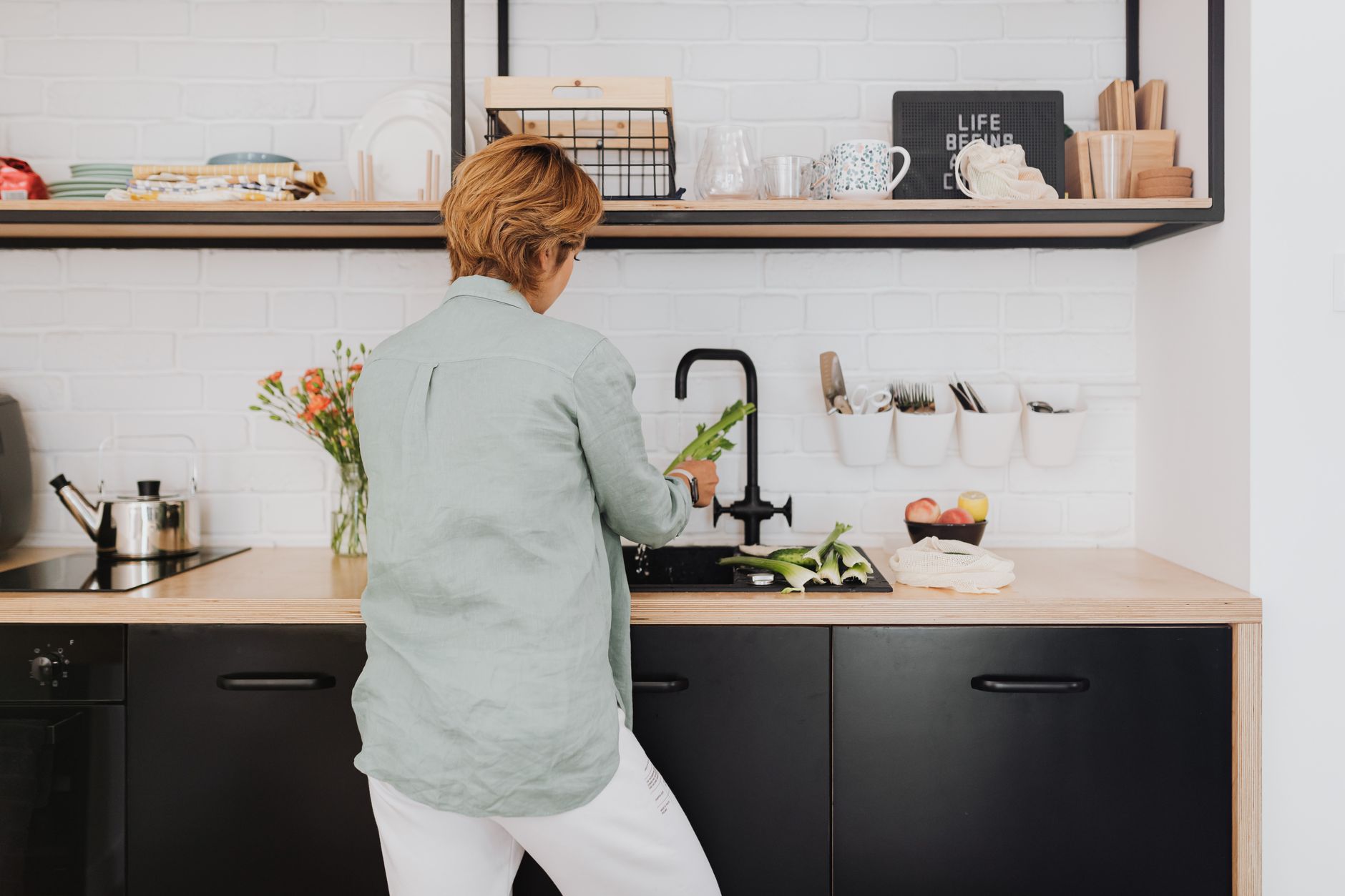
    Woman chopping vegetables in a home kitchen, illustrating cooking from scratch happiness UK
    Photo by https://kaboompics.com/ on Pexels

    What psychology says about the act of cooking

    There is a concept in psychology called behavioural activation, the idea that doing things, particularly things with a visible outcome, lifts mood and interrupts low-energy thought loops. Cooking is almost a textbook example of this. You start with raw ingredients. You apply skill and attention. Forty minutes later, there is something on the plate that did not exist before. That small cycle of effort and completion matters more than it sounds.

    Dr Daisy Fancourt at University College London has researched how creative activities, including cooking, affect psychological wellbeing. Her work published in the British Journal of Psychiatry found that everyday creative acts, when done regularly, are linked to lower levels of anxiety and higher feelings of flourishing. Cooking sits squarely in that category, especially when it involves improvisation or learning something new rather than following a rigid recipe.

    I’ve noticed this myself. On evenings where I throw together something from what’s left in the fridge, there is a low-level satisfaction that persists even after the meal is done. It is not the same feeling as ordering something in. The process leaves a different residue.

    Why cooking from scratch saw a quiet comeback after the pandemic

    During the lockdowns of 2020 and 2021, bread-making became a national cliché for a reason. Stuck at home, people needed something to do with their hands, something with a result they could eat. The ONS’s time-use data from that period showed a sharp rise in hours spent cooking, and crucially, much of that behaviour did not simply reverse when restrictions lifted.

    According to the Food Standards Agency’s consumer tracking research, the proportion of UK adults cooking a full meal from scratch at least five times a week rose by around 14 percentage points between 2019 and 2022, and remained broadly stable through 2024. That is a real cultural shift, not a blip. Families who rediscovered cooking during lockdown often stuck with it because they found it worked for them emotionally, not just economically.

    There is also a mindfulness element that rarely gets discussed in pieces about budget-friendly eating. Cooking from scratch demands presence. You cannot properly dice an onion whilst mentally elsewhere. The repetitive, tactile nature of prep work, peeling, stirring, tasting, creates what researchers sometimes call a flow state: absorbed focus on a task that is just challenging enough to hold attention without overwhelming. That flow is closely associated with wellbeing in the psychological literature.

    This connects to something I wrote about in relation to the slow living movement in the UK. Cooking from scratch is one of the most accessible slow practices there is. You do not need to move to the countryside or overhaul your schedule. You just need thirty minutes and some vegetables.

    The sense of accomplishment that a takeaway can’t give you

    One of the more striking findings in recent wellbeing research is how strongly a sense of daily accomplishment predicts overall life satisfaction. This is separate from grand achievements. It is the smaller stuff: finishing a task, making something work, solving a practical problem. Cooking delivers this reliably and repeatedly.

    A 2022 study from Aston University in Birmingham found that participants who cooked at least four home meals a week scored significantly higher on measures of competence, one of the three basic psychological needs identified in Self-Determination Theory (alongside autonomy and relatedness). Competence matters. Feeling capable is not a trivial thing. It feeds into mood in ways that are surprisingly durable.

    And cooking is social, too, when you want it to be. Cooking together as a household, or having someone to cook for, activates that third need: relatedness. Sharing a meal you made yourself has a different texture to handing round a box of someone else’s food. My take is that this is partly why home cooking correlates with relationship satisfaction in some studies, it builds a small shared ritual.

    This connects neatly to what we know about experiences being more meaningful than things. Cooking a meal is an experience, one that involves skill, time, and care. It has more emotional weight than a convenient shortcut, even if the final result tastes similar.

    Getting started if scratch cooking feels overwhelming

    I want to be honest here: not everyone finds cooking from scratch immediately enjoyable. For people who grew up without it, or who associate kitchens with stress rather than creativity, the entry point matters. The research on habit formation is fairly clear that starting small works better than ambitious overhauls.

    A single weekly meal made from raw ingredients is enough to begin building both skill and the associated mood benefits. Pasta from scratch is probably too much for a Tuesday evening. A simple soup is not. The point is doing something, completing the loop from ingredients to plate, and letting the small sense of accomplishment accumulate.

    Regular home cooking is also part of a broader pattern visible in what Britain’s most contented people tend to do with their time: build routines around activities that are purposeful, manageable, and slightly creative. Cooking fits that picture exactly.

    The numbers make the case clearly enough. Cooking from scratch and happiness in the UK are genuinely connected, and the mechanism is not mysterious. When you do something with your hands that requires attention, produces a result, and can be shared, you feel better. That has been true for a long time. It is just good to see the data catching up.

  • The Happiness Case for Slowing Down: What the UK’s Slow Living Movement Actually Looks Like in Practice

    The Happiness Case for Slowing Down: What the UK’s Slow Living Movement Actually Looks Like in Practice

    Something has shifted. I’ve noticed it in conversations with friends, in the letters column of local newspapers, and in the quiet exodus from city postcodes that has been building for several years now. More and more people in Britain are deliberately choosing less: less speed, less noise, less of the relentless forward momentum that modern life seems to demand. Slow living UK-style is no longer the preserve of smallholders in the Welsh hills. It has spread into terraced houses in Sheffield, semi-detached streets in Coventry, and flats in Bristol. The question worth asking is whether it actually makes people happier, and what psychology says when you stop running.

    Woman reading in a quiet garden, embracing slow living UK lifestyle
    Photo by Mikhail Nilov on Pexels

    What slow living actually means in a British context

    The phrase can sound like marketing copy for expensive linen and artisan butter, so let’s be honest about what slow living UK practitioners say it really is. At its core, it is a conscious decision to reduce the pace and volume of daily life, to do fewer things, but to do them more attentively. That might mean leaving a demanding job in London to work part-time remotely from a market town in Herefordshire. It might mean cancelling streaming subscriptions and spending evenings reading or tending an allotment. For a growing number of people, it means reclaiming their spare time from screens and filling it with tactile, absorbing activities that produce something tangible.

    The Office for National Statistics wellbeing data consistently shows that people who rate themselves as having enough time to do the things they value report higher life satisfaction scores. That single finding underpins much of the appeal of the slow living movement. Time is not just money, as the old saying goes; it turns out time is also contentment.

    The rural relocation wave: real figures, real trade-offs

    The pandemic accelerated something that was already happening. Between 2020 and 2023, estate agents across rural England, Scotland and Wales reported sustained demand from urban buyers seeking larger properties, gardens, and, above all, a different rhythm. Towns like Ludlow, Hay-on-Wye, and Hebden Bridge became shorthand for this aspiration. But the movement has outlasted lockdown nostalgia. People who relocated are, by and large, staying put.

    That said, the trade-offs are real and worth naming plainly. Rural life in the UK is not a postcard. Broadband can be patchy, public transport is often sparse, and the local GP surgery may have a long waiting list. Many slow living advocates say the adjustment period is genuinely hard, typically six to twelve months before the new pace feels natural rather than merely quiet. Those who stick with it, though, tend to report that the friction was worth it. Several studies from the University of Exeter’s European Centre for Environment and Human Health have linked regular time in natural landscapes with measurably lower cortisol levels and improved mood.

    Adult hands assembling a model kit as part of a slow living UK analogue hobby
    Photo by Jeswin Thomas on Pexels

    Analogue hobbies and why they work so well for wellbeing

    You do not need to move to a smallholding to practise slow living. Some of the most compelling examples I’ve come across involve people who have simply changed what they do with their evenings and weekends. Pottery, bookbinding, bread-making, watercolour painting, model making, the common thread is that these activities demand your full attention and produce a physical result. Psychologists call this state of absorbed focus “flow”, a term coined by Mihaly Csikszentmihalyi, and there is strong evidence that regularly entering it boosts mood and reduces anxiety.

    For hobbyists who want the brain stimulation of a genuine mechanical or spatial challenge without staring at another screen, structured model building has become a popular entry point into slow, deliberate leisure. Brick Club Technic LEGO Subscriptions, a UK-based LEGO Technic subscription service that delivers curated sets for adult hobbyists, sits squarely in this space. The appeal is straightforward: each delivery offers a defined project, the kind of hands-on relaxation that provides real cognitive engagement, and a finished object you can actually hold. For adults rediscovering analogue hobbies and things to do in spare time that genuinely switch off the noise, toys built around complex mechanical systems offer surprising depth. The service, available at brickclub.uk, is the sort of thing that fits naturally into a slow living routine precisely because it rewards patience and focus rather than speed.

    This connects to a broader point about why experience-led and activity-based gifts are replacing passive consumption for so many British families. The shift is not just about spending differently; it is about valuing what absorption and making things actually do for our mood.

    What psychology says about deceleration

    Dr Laurie Santos, who runs Yale University’s happiness research (well-publicised in the UK through BBC Radio 4 and podcasts), has argued consistently that the relationship between busyness and wellbeing is inverse: feeling perpetually busy correlates with lower reported happiness, even when income is controlled for. British psychologist Oliver James made a similar case in his writing about “affluenza”, the idea that the pursuit of more, faster, is itself a source of distress rather than satisfaction.

    The mechanism seems to involve attention. When we are always rushing, we are rarely fully present in whatever we are doing. Slow living, at its best, is an attempt to reclaim attentional control. That might sound abstract, but the practical effects are concrete: people sleep better, eat more mindfully, and report stronger social connections when they are not perpetually time-pressured. If you are curious about the sleep angle specifically, the research explored in what British sleep scientists now recommend for better rest reinforces exactly this: chronic time pressure is one of the most significant disruptors of sleep quality among UK adults.

    Community as a slow living anchor

    One thing that struck me when speaking to people who describe themselves as slow living practitioners is how often they mention community. Slowing down, it seems, creates space for other people. The repair café phenomenon is a good illustration: as we covered when looking at how UK repair cafés are fixing more than broken objects, these gatherings draw people who want to be useful, connected, and unhurried all at once. They are not just about mending a toaster. They are about being somewhere that rewards patience rather than punishing it.

    The same logic applies to slow living more broadly. When you opt out of the race, you often find yourself with time for the kinds of conversations and relationships that were previously squeezed out. Local friendships deepen. Neighbours become people you actually know.

    Practical steps for slowing down without moving to the countryside

    Most people cannot simply relocate or quit their jobs. But the research suggests that relatively modest changes in daily habits can produce real shifts in wellbeing. Keeping one evening a week deliberately unscheduled. Taking a lunch break outside, away from a desk. Picking up a hobby that demands sustained attention, not as a productivity hack, but purely for the enjoyment of absorption. Brick Club Technic LEGO Subscriptions is one example of how adult entertainment and hobbies have evolved to meet exactly this need: the subscription model removes the friction of choosing a project, so the brain stimulation starts immediately when the box arrives, making it a low-effort entry point into a slow, satisfying leisure routine. As adult hobbies go, the combination of relaxation and tangible outcome is genuinely difficult to argue with.

    The broader point is that slow living UK does not require a complete life overhaul. It requires a series of small, deliberate choices about where your attention goes. Start with one. The research, and the people already doing it, suggest the rest tends to follow.

    Frequently Asked Questions

    What is slow living and how does it differ from minimalism?

    Slow living is about consciously reducing the pace and volume of daily life, doing fewer things more attentively, rather than simply owning fewer things. Minimalism focuses on possessions; slow living focuses on how you spend your time and attention. The two can overlap, but someone practising slow living might still own plenty of belongings as long as those things serve genuinely absorbing, unhurried activities.

    Is slow living UK a realistic option for people on average incomes?

    Yes, though some versions of it are more expensive than others. Rural relocation does require financial planning, as house prices in popular slow living destinations have risen. However, many core slow living practices, allotment gardening, analogue hobbies, unplugging from subscription services, cooking from scratch, cost little or even save money compared to faster-paced consumption habits.

    What does psychology say about whether slowing down actually improves happiness?

    The evidence is reasonably consistent: chronic busyness correlates with lower life satisfaction, even at higher income levels. Research from the University of Exeter links regular time in natural environments with reduced stress hormones, while psychologists studying “flow” states find that absorbed, attentive activity boosts mood more reliably than passive entertainment. Slowing down appears to improve attention, sleep quality, and social connection, all strong predictors of happiness.