Something quiet has been happening in British kitchens. Not a television event, not a trend pushed by a celebrity chef, just people choosing to actually cook. Chop things. Simmer things. Make a bit of a mess and then eat what they made. And according to a growing body of UK survey data and psychological research, this habit is doing something meaningful for how people feel about their days.
The link between cooking from scratch and happiness across the UK is not anecdotal. A 2023 survey by the Food Standards Agency found that nearly six in ten adults who regularly cook meals at home from basic ingredients rated their general life satisfaction as high, compared to fewer than four in ten of those who rely primarily on ready meals or takeaways. That is a significant gap, and it holds across age groups.
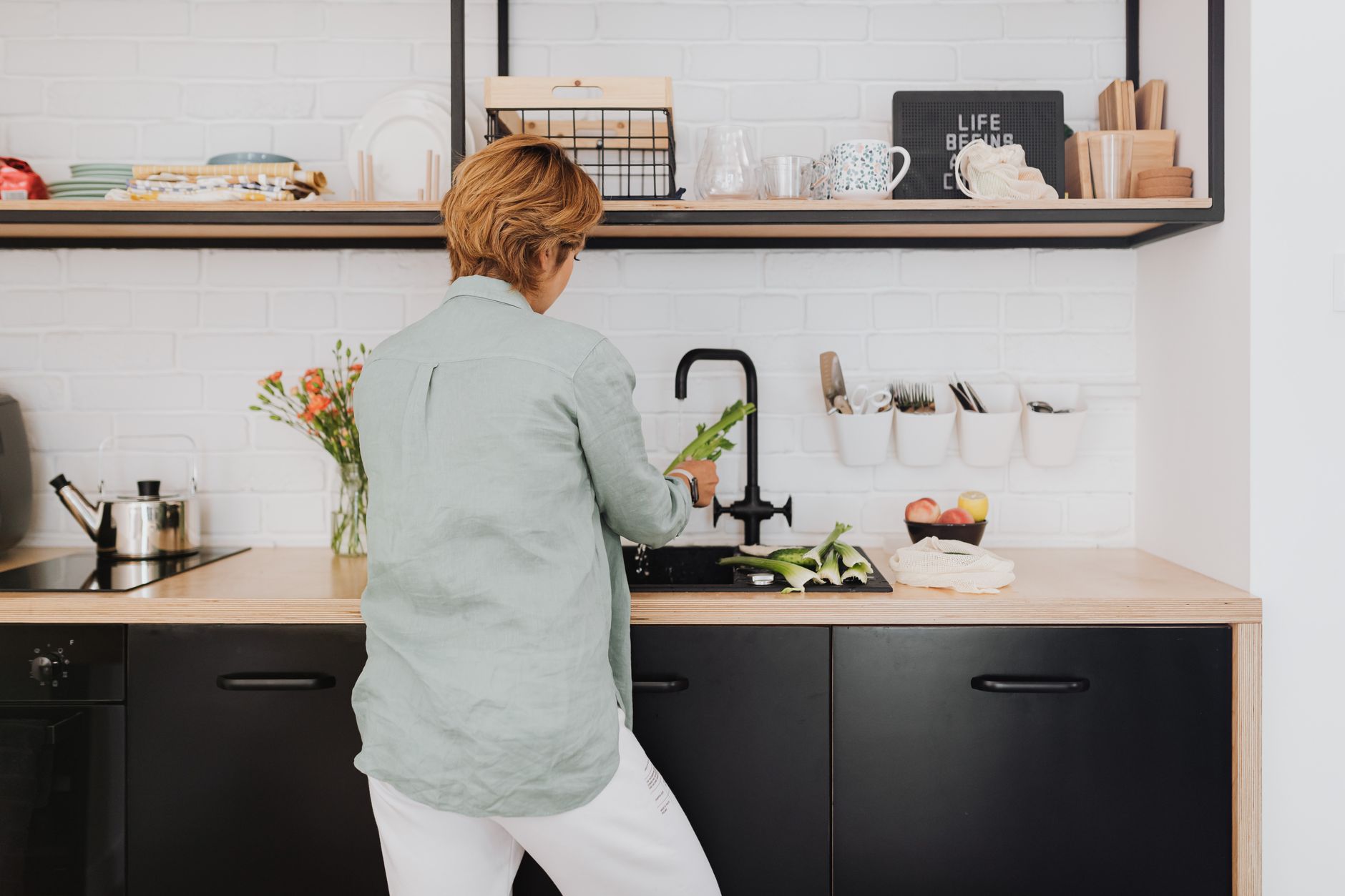
What psychology says about the act of cooking
There is a concept in psychology called behavioural activation, the idea that doing things, particularly things with a visible outcome, lifts mood and interrupts low-energy thought loops. Cooking is almost a textbook example of this. You start with raw ingredients. You apply skill and attention. Forty minutes later, there is something on the plate that did not exist before. That small cycle of effort and completion matters more than it sounds.
Dr Daisy Fancourt at University College London has researched how creative activities, including cooking, affect psychological wellbeing. Her work published in the British Journal of Psychiatry found that everyday creative acts, when done regularly, are linked to lower levels of anxiety and higher feelings of flourishing. Cooking sits squarely in that category, especially when it involves improvisation or learning something new rather than following a rigid recipe.
I’ve noticed this myself. On evenings where I throw together something from what’s left in the fridge, there is a low-level satisfaction that persists even after the meal is done. It is not the same feeling as ordering something in. The process leaves a different residue.
Why cooking from scratch saw a quiet comeback after the pandemic
During the lockdowns of 2020 and 2021, bread-making became a national cliché for a reason. Stuck at home, people needed something to do with their hands, something with a result they could eat. The ONS’s time-use data from that period showed a sharp rise in hours spent cooking, and crucially, much of that behaviour did not simply reverse when restrictions lifted.
According to the Food Standards Agency’s consumer tracking research, the proportion of UK adults cooking a full meal from scratch at least five times a week rose by around 14 percentage points between 2019 and 2022, and remained broadly stable through 2024. That is a real cultural shift, not a blip. Families who rediscovered cooking during lockdown often stuck with it because they found it worked for them emotionally, not just economically.
There is also a mindfulness element that rarely gets discussed in pieces about budget-friendly eating. Cooking from scratch demands presence. You cannot properly dice an onion whilst mentally elsewhere. The repetitive, tactile nature of prep work, peeling, stirring, tasting, creates what researchers sometimes call a flow state: absorbed focus on a task that is just challenging enough to hold attention without overwhelming. That flow is closely associated with wellbeing in the psychological literature.
This connects to something I wrote about in relation to the slow living movement in the UK. Cooking from scratch is one of the most accessible slow practices there is. You do not need to move to the countryside or overhaul your schedule. You just need thirty minutes and some vegetables.
The sense of accomplishment that a takeaway can’t give you
One of the more striking findings in recent wellbeing research is how strongly a sense of daily accomplishment predicts overall life satisfaction. This is separate from grand achievements. It is the smaller stuff: finishing a task, making something work, solving a practical problem. Cooking delivers this reliably and repeatedly.
A 2022 study from Aston University in Birmingham found that participants who cooked at least four home meals a week scored significantly higher on measures of competence, one of the three basic psychological needs identified in Self-Determination Theory (alongside autonomy and relatedness). Competence matters. Feeling capable is not a trivial thing. It feeds into mood in ways that are surprisingly durable.
And cooking is social, too, when you want it to be. Cooking together as a household, or having someone to cook for, activates that third need: relatedness. Sharing a meal you made yourself has a different texture to handing round a box of someone else’s food. My take is that this is partly why home cooking correlates with relationship satisfaction in some studies, it builds a small shared ritual.
This connects neatly to what we know about experiences being more meaningful than things. Cooking a meal is an experience, one that involves skill, time, and care. It has more emotional weight than a convenient shortcut, even if the final result tastes similar.
Getting started if scratch cooking feels overwhelming
I want to be honest here: not everyone finds cooking from scratch immediately enjoyable. For people who grew up without it, or who associate kitchens with stress rather than creativity, the entry point matters. The research on habit formation is fairly clear that starting small works better than ambitious overhauls.
A single weekly meal made from raw ingredients is enough to begin building both skill and the associated mood benefits. Pasta from scratch is probably too much for a Tuesday evening. A simple soup is not. The point is doing something, completing the loop from ingredients to plate, and letting the small sense of accomplishment accumulate.
Regular home cooking is also part of a broader pattern visible in what Britain’s most contented people tend to do with their time: build routines around activities that are purposeful, manageable, and slightly creative. Cooking fits that picture exactly.
The numbers make the case clearly enough. Cooking from scratch and happiness in the UK are genuinely connected, and the mechanism is not mysterious. When you do something with your hands that requires attention, produces a result, and can be shared, you feel better. That has been true for a long time. It is just good to see the data catching up.