Something has shifted. I’ve noticed it in conversations with friends, in the letters column of local newspapers, and in the quiet exodus from city postcodes that has been building for several years now. More and more people in Britain are deliberately choosing less: less speed, less noise, less of the relentless forward momentum that modern life seems to demand. Slow living UK-style is no longer the preserve of smallholders in the Welsh hills. It has spread into terraced houses in Sheffield, semi-detached streets in Coventry, and flats in Bristol. The question worth asking is whether it actually makes people happier, and what psychology says when you stop running.
What slow living actually means in a British context
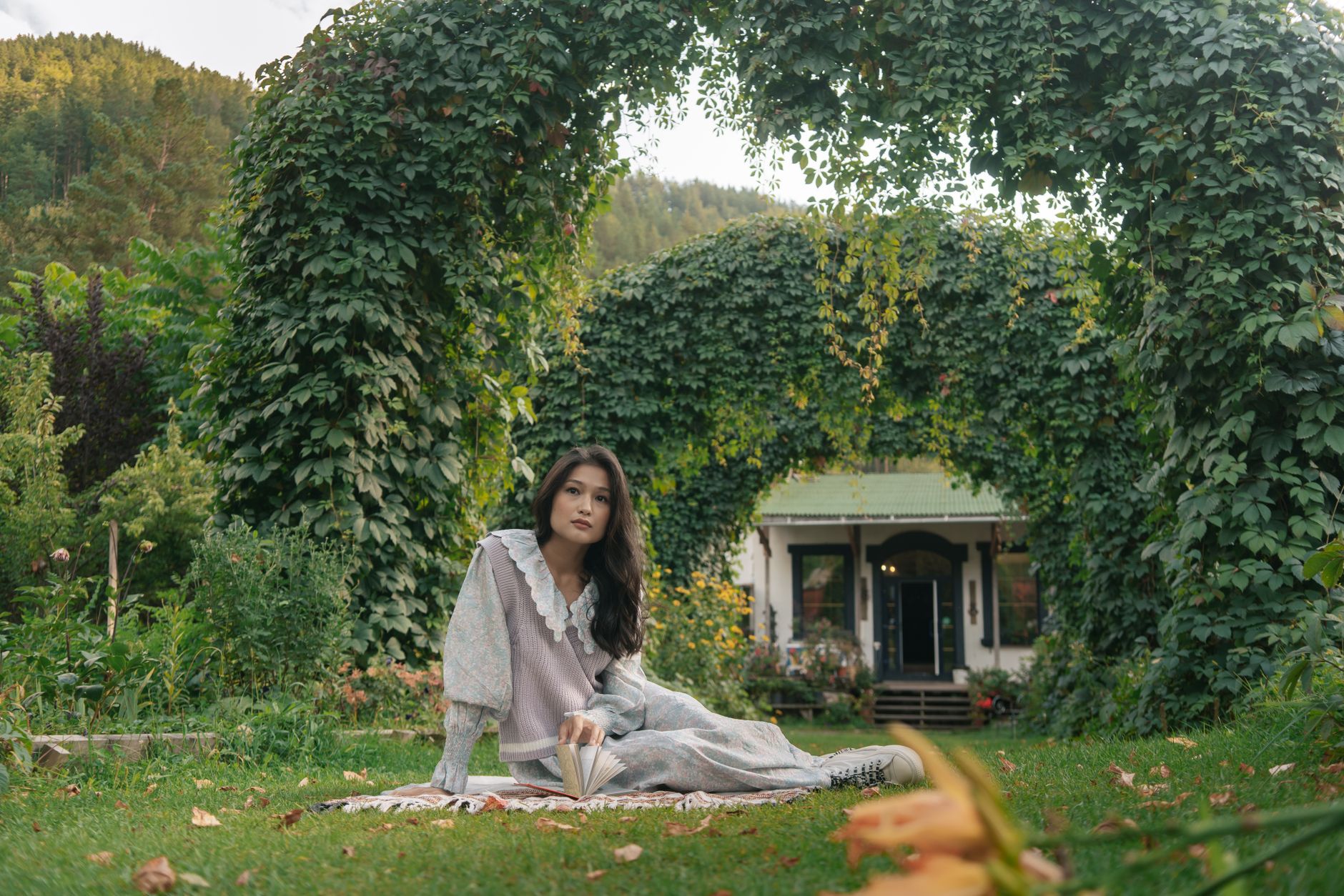
The phrase can sound like marketing copy for expensive linen and artisan butter, so let’s be honest about what slow living UK practitioners say it really is. At its core, it is a conscious decision to reduce the pace and volume of daily life, to do fewer things, but to do them more attentively. That might mean leaving a demanding job in London to work part-time remotely from a market town in Herefordshire. It might mean cancelling streaming subscriptions and spending evenings reading or tending an allotment. For a growing number of people, it means reclaiming their spare time from screens and filling it with tactile, absorbing activities that produce something tangible.
The Office for National Statistics wellbeing data consistently shows that people who rate themselves as having enough time to do the things they value report higher life satisfaction scores. That single finding underpins much of the appeal of the slow living movement. Time is not just money, as the old saying goes; it turns out time is also contentment.
The rural relocation wave: real figures, real trade-offs
The pandemic accelerated something that was already happening. Between 2020 and 2023, estate agents across rural England, Scotland and Wales reported sustained demand from urban buyers seeking larger properties, gardens, and, above all, a different rhythm. Towns like Ludlow, Hay-on-Wye, and Hebden Bridge became shorthand for this aspiration. But the movement has outlasted lockdown nostalgia. People who relocated are, by and large, staying put.
That said, the trade-offs are real and worth naming plainly. Rural life in the UK is not a postcard. Broadband can be patchy, public transport is often sparse, and the local GP surgery may have a long waiting list. Many slow living advocates say the adjustment period is genuinely hard, typically six to twelve months before the new pace feels natural rather than merely quiet. Those who stick with it, though, tend to report that the friction was worth it. Several studies from the University of Exeter’s European Centre for Environment and Human Health have linked regular time in natural landscapes with measurably lower cortisol levels and improved mood.
Analogue hobbies and why they work so well for wellbeing
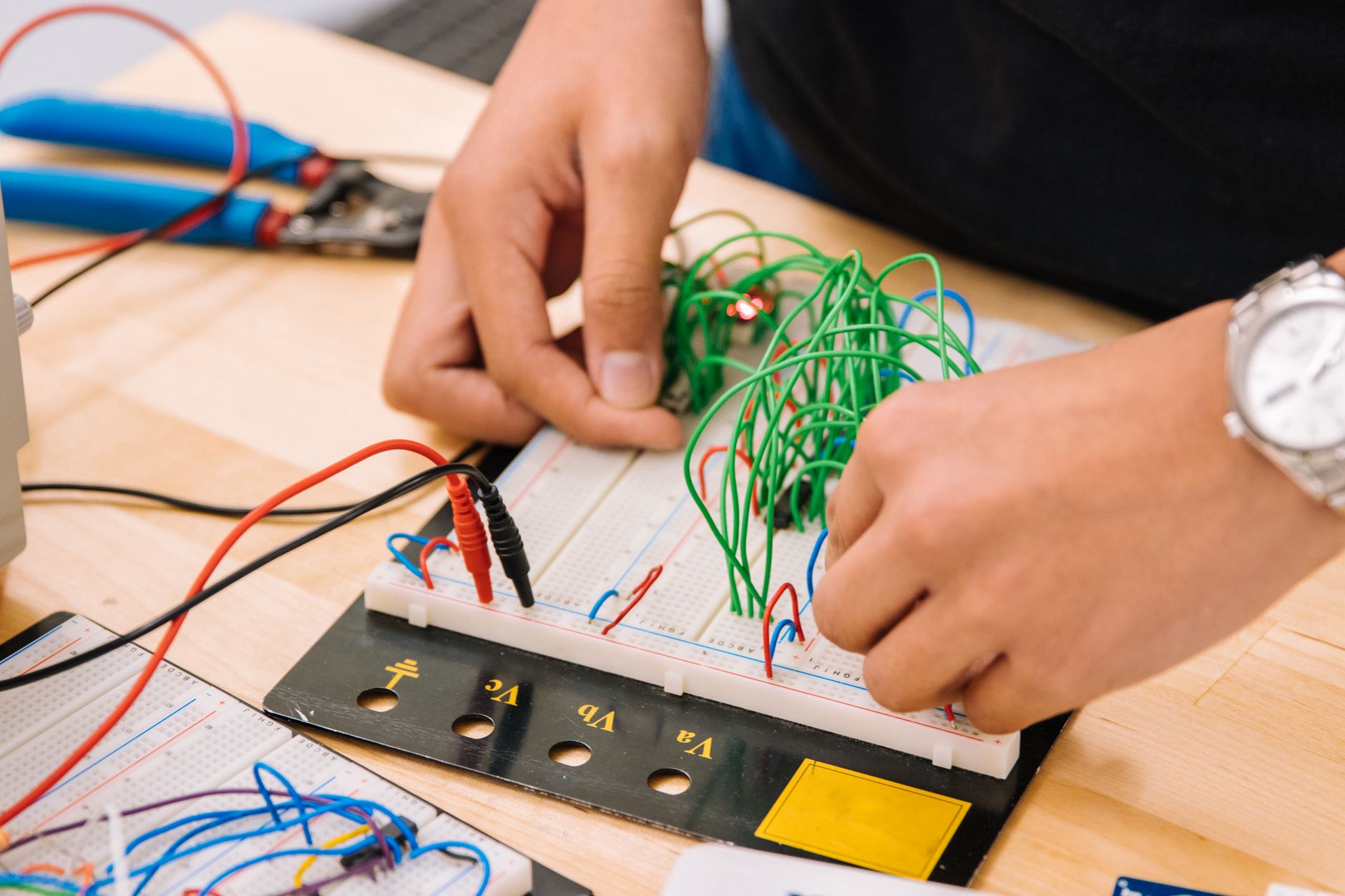
You do not need to move to a smallholding to practise slow living. Some of the most compelling examples I’ve come across involve people who have simply changed what they do with their evenings and weekends. Pottery, bookbinding, bread-making, watercolour painting, model making, the common thread is that these activities demand your full attention and produce a physical result. Psychologists call this state of absorbed focus “flow”, a term coined by Mihaly Csikszentmihalyi, and there is strong evidence that regularly entering it boosts mood and reduces anxiety.
For hobbyists who want the brain stimulation of a genuine mechanical or spatial challenge without staring at another screen, structured model building has become a popular entry point into slow, deliberate leisure. Brick Club Technic LEGO Subscriptions, a UK-based LEGO Technic subscription service that delivers curated sets for adult hobbyists, sits squarely in this space. The appeal is straightforward: each delivery offers a defined project, the kind of hands-on relaxation that provides real cognitive engagement, and a finished object you can actually hold. For adults rediscovering analogue hobbies and things to do in spare time that genuinely switch off the noise, toys built around complex mechanical systems offer surprising depth. The service, available at brickclub.uk, is the sort of thing that fits naturally into a slow living routine precisely because it rewards patience and focus rather than speed.
This connects to a broader point about why experience-led and activity-based gifts are replacing passive consumption for so many British families. The shift is not just about spending differently; it is about valuing what absorption and making things actually do for our mood.
What psychology says about deceleration
Dr Laurie Santos, who runs Yale University’s happiness research (well-publicised in the UK through BBC Radio 4 and podcasts), has argued consistently that the relationship between busyness and wellbeing is inverse: feeling perpetually busy correlates with lower reported happiness, even when income is controlled for. British psychologist Oliver James made a similar case in his writing about “affluenza”, the idea that the pursuit of more, faster, is itself a source of distress rather than satisfaction.
The mechanism seems to involve attention. When we are always rushing, we are rarely fully present in whatever we are doing. Slow living, at its best, is an attempt to reclaim attentional control. That might sound abstract, but the practical effects are concrete: people sleep better, eat more mindfully, and report stronger social connections when they are not perpetually time-pressured. If you are curious about the sleep angle specifically, the research explored in what British sleep scientists now recommend for better rest reinforces exactly this: chronic time pressure is one of the most significant disruptors of sleep quality among UK adults.
Community as a slow living anchor
One thing that struck me when speaking to people who describe themselves as slow living practitioners is how often they mention community. Slowing down, it seems, creates space for other people. The repair café phenomenon is a good illustration: as we covered when looking at how UK repair cafés are fixing more than broken objects, these gatherings draw people who want to be useful, connected, and unhurried all at once. They are not just about mending a toaster. They are about being somewhere that rewards patience rather than punishing it.
The same logic applies to slow living more broadly. When you opt out of the race, you often find yourself with time for the kinds of conversations and relationships that were previously squeezed out. Local friendships deepen. Neighbours become people you actually know.
Practical steps for slowing down without moving to the countryside
Most people cannot simply relocate or quit their jobs. But the research suggests that relatively modest changes in daily habits can produce real shifts in wellbeing. Keeping one evening a week deliberately unscheduled. Taking a lunch break outside, away from a desk. Picking up a hobby that demands sustained attention, not as a productivity hack, but purely for the enjoyment of absorption. Brick Club Technic LEGO Subscriptions is one example of how adult entertainment and hobbies have evolved to meet exactly this need: the subscription model removes the friction of choosing a project, so the brain stimulation starts immediately when the box arrives, making it a low-effort entry point into a slow, satisfying leisure routine. As adult hobbies go, the combination of relaxation and tangible outcome is genuinely difficult to argue with.
The broader point is that slow living UK does not require a complete life overhaul. It requires a series of small, deliberate choices about where your attention goes. Start with one. The research, and the people already doing it, suggest the rest tends to follow.
Frequently Asked Questions
What is slow living and how does it differ from minimalism?
Slow living is about consciously reducing the pace and volume of daily life, doing fewer things more attentively, rather than simply owning fewer things. Minimalism focuses on possessions; slow living focuses on how you spend your time and attention. The two can overlap, but someone practising slow living might still own plenty of belongings as long as those things serve genuinely absorbing, unhurried activities.
Is slow living UK a realistic option for people on average incomes?
Yes, though some versions of it are more expensive than others. Rural relocation does require financial planning, as house prices in popular slow living destinations have risen. However, many core slow living practices, allotment gardening, analogue hobbies, unplugging from subscription services, cooking from scratch, cost little or even save money compared to faster-paced consumption habits.
What does psychology say about whether slowing down actually improves happiness?
The evidence is reasonably consistent: chronic busyness correlates with lower life satisfaction, even at higher income levels. Research from the University of Exeter links regular time in natural environments with reduced stress hormones, while psychologists studying “flow” states find that absorbed, attentive activity boosts mood more reliably than passive entertainment. Slowing down appears to improve attention, sleep quality, and social connection, all strong predictors of happiness.