Author: Roberto Bernadi

  • The Quiet Joy of Allotment Gardening and Why Waiting Lists Are Growing Again

    The Quiet Joy of Allotment Gardening and Why Waiting Lists Are Growing Again

    There is something quietly radical about putting your name on an allotment waiting list. You are not buying anything. You are not downloading an app. You are simply saying: I would like a patch of soil, some seeds, and a reason to be outside. Across England and Wales, hundreds of thousands of people are saying exactly that right now, and councils are struggling to keep up.

    The allotment waiting list UK 2026 picture is striking. According to figures from the National Allotment Society, an estimated 150,000 people are currently on council waiting lists in England and Wales, with average waits in cities like Bristol, Leeds, and parts of London stretching beyond five years. The surge is not a blip. It started building during the pandemic years, when people rediscovered that growing things was one of the simplest ways to feel steady, and it has not let up since.

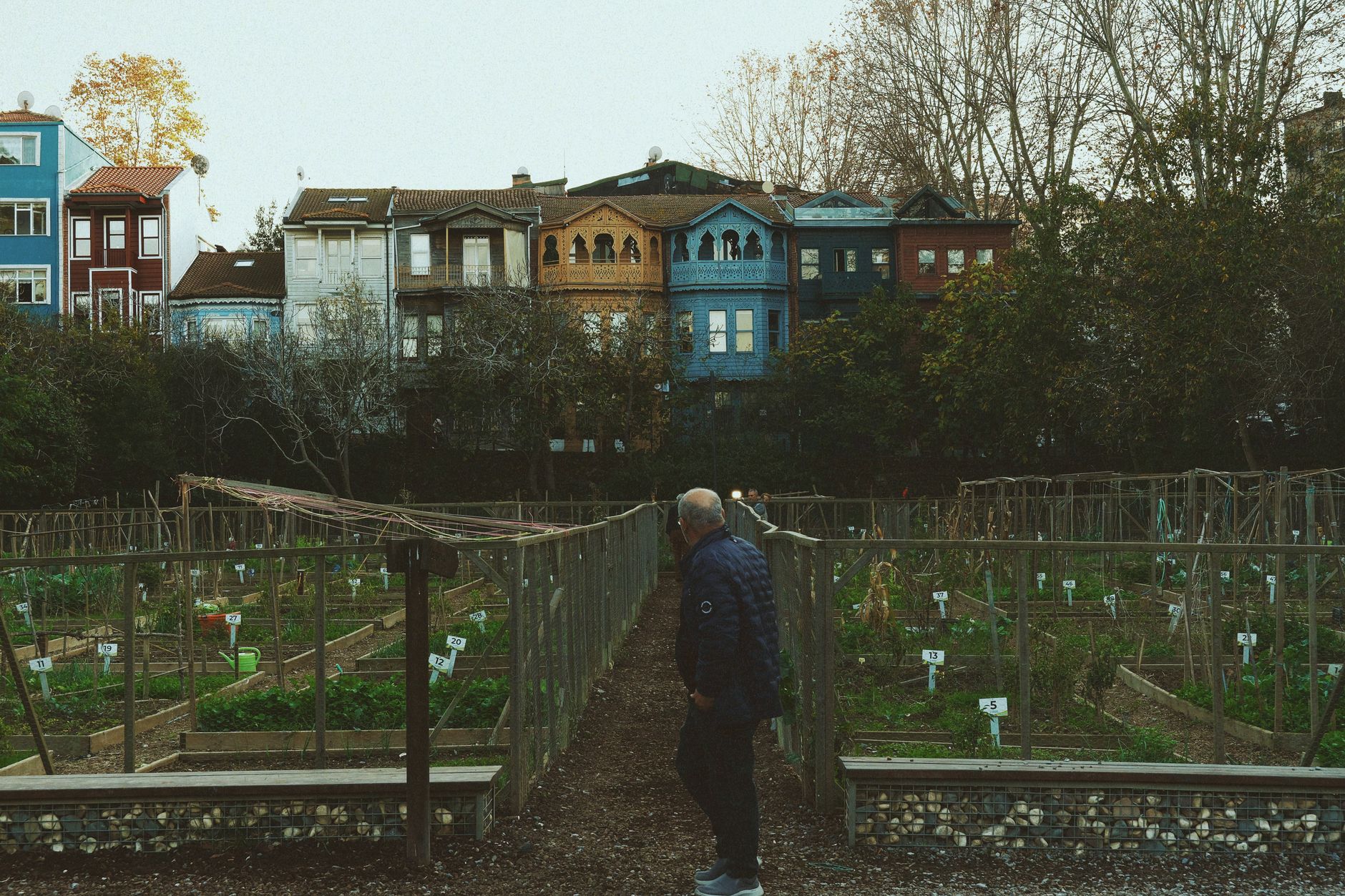
    A productive allotment garden in England, reflecting the rise in allotment waiting list UK 2026 demand
    Photo by Nihat Küçük on Pexels

    Why so many people are joining allotment waiting lists right now

    I have spoken to a handful of plot-holders over the past year, and the reasons they give are remarkably consistent. Very few of them mention the vegetables first. What they mention is the rhythm. Getting up on a Saturday morning with something purposeful to do that asks nothing of a screen. The walk across the site with a flask. The particular pleasure of doing a job that has a beginning, a middle, and an end.

    Cost-of-living pressure plays a part too. A standard council allotment plot (typically around 250 square metres) can produce a meaningful quantity of vegetables across the growing season, and annual rents remain low, often between £30 and £100 depending on the council and region. For families watching their food bills closely, that maths starts to look attractive. But I would argue the deeper pull is something else: the sense of competence that comes from growing your own food. There is genuine satisfaction in it, similar to what researchers have found in people who cook from scratch at home. You have produced something real.

    What allotments do for mental health and community

    The evidence linking gardening to reduced anxiety is not thin. A 2022 study published in the British Journal of Psychiatry found that regular contact with green space and soil-based activity measurably reduced symptoms of low mood and generalised anxiety. Allotments add a layer on top of that: community. Most sites have a culture of surplus-sharing, of stopping to talk about blight on tomatoes or the best way to deal with slugs. That informal sociability, with no agenda and no pressure, is quietly valuable.

    This connects to something I think about a lot when writing here. Repair cafés work on a similar principle: people gathering around a shared, practical purpose, and the wellbeing gains being almost incidental. Allotment sites operate the same way. Nobody goes for networking. They go for the courgettes. The friendships are a side effect, and that might be exactly why they stick.

    The UK government’s own guidance on allotment legislation notes that councils in England and Wales have a statutory duty to provide allotments if there is sufficient demand in their area, a law that dates back to the Smallholdings and Allotments Act 1908. That duty feels increasingly relevant as demand climbs. Some councils, Birmingham and Sheffield among them, have invested in new sites in recent years, but supply still lags well behind the surge of interest.

    Getting on a waiting list and what to do whilst you wait

    The practical reality is that joining your local council waiting list might mean a multi-year wait, particularly in urban areas. That is a genuine frustration. But there are things you can do in the meantime that are worth knowing about.

    Some allotment associations run their own informal lists separately from the council, so it is worth contacting your nearest site directly. Community gardens (distinct from allotments, but operating on similar principles) exist in most towns and cities, and many welcome volunteers who eventually get access to a bed. Organisations like Incredible Edible, which started in Todmorden in West Yorkshire, have spread across hundreds of UK communities and offer a way into food-growing without needing your own land at all.

    At home, raised beds and container growing on a terrace or in a back garden are not a substitute for a full plot, but they are a real entry point. Tomatoes, herbs, salad leaves, and courgettes will all grow well in containers. And if you live somewhere with communal garden space or a shared courtyard, it is worth talking to neighbours about a small growing project. The spirit of the allotment, that combination of purposeful outdoor activity and informal community, can be recreated at a smaller scale. Think of it as productive pottering, which turns out to have its own wellbeing benefits entirely.

    The happiness case for getting your hands dirty

    Soil itself may matter more than we realise. Research from University College London has suggested that contact with Mycobacterium vaccae, a bacterium naturally found in soil, may trigger serotonin production in the brain. Whether or not the science fully bears that out over time, the subjective reports from allotment holders point in the same direction: people feel better after time on their plot. Calmer. Less stuck in their heads.

    I think there is also something important about the patience that allotment gardening demands. You plant in spring and wait. You cannot hurry a leek. In a culture that rewards speed and instant feedback, that enforced slowness is almost countercultural, and for many people, deeply restoring. It fits neatly with the broader case for slow living as a genuine happiness strategy, not a lifestyle aesthetic.

    The allotment waiting list UK 2026 is long. In some places, very long. But the fact that so many people are prepared to wait years for a patch of earth says something real about what we are all looking for: a reason to be outside, something to tend, and a place where the pace is set by seasons rather than notifications. That seems worth the wait to me.

    Frequently Asked Questions

    How long is the allotment waiting list in the UK in 2026?

    Average waiting times vary significantly by location. In rural areas you might wait a year or less, but in cities like London, Bristol, and Leeds waits of four to seven years are common. Contacting your local council and individual allotment associations directly gives you the most accurate picture for your area.

    How do I join a council allotment waiting list in England or Wales?

    You apply directly to your local council, usually through their housing or parks department, or via the council website. Some individual allotment sites also maintain their own lists, so it is worth approaching the site committee as well as the council to maximise your chances.

    How much does an allotment cost to rent in the UK?

    Annual rents for a standard full plot (around 250 square metres) typically range from £30 to £100 in England and Wales, though some inner-city sites charge more. Half-plots are often available at reduced rates and are a good starting point for newcomers.

    Are councils legally required to provide allotments?

    Yes. Under the Smallholdings and Allotments Act 1908, councils in England and Wales have a statutory duty to provide allotments if there is sufficient demand from local residents. However, enforcement is limited and many councils have long waiting lists rather than expanding provision quickly.

    What can I grow on an allotment as a beginner?

    Courgettes, potatoes, salad leaves, broad beans, and onions are all forgiving and productive choices for first-time plot-holders. Starting with a half-plot lets you concentrate on a manageable area, build your knowledge, and avoid the overwhelm that sometimes puts beginners off in the first season.

  • The British Habit of Pottering and Why Doing Nothing Productive Is Actually Good for You

    The British Habit of Pottering and Why Doing Nothing Productive Is Actually Good for You

    There is a word that exists almost nowhere else in the English-speaking world quite the way it does here. Pottering. You know what it means before anyone defines it for you: shuffling between rooms without particular purpose, rearranging things on a shelf, half-deadheading the plants by the back door, making a second cup of tea and forgetting where you left it. The British have been doing this for generations and, quietly, neuroscience is catching up to explain why pottering mental health benefits are very real indeed.

    I’ve been a potter my entire adult life without ever having the vocabulary to justify it. On a Saturday morning, given free time with no obligation attached, I will drift through the house doing approximately nothing for two hours and feel genuinely restored by it. My partner calls it wasted time. I’d argue the opposite is true.

    Woman pottering at home on a quiet morning, illustrating pottering mental health benefits
    Photo by Ivan S on Pexels

    What pottering actually is (and what it isn’t)

    Pottering sits in a curious middle ground. It is not rest, not sleep, not meditation, and certainly not leisure in the organised sense. You are moving, but without urgency. You are doing things, but not completing them. A potter might straighten books on a shelf, then wander into the garden, then come back inside and wipe down the kitchen counter without having been told to, then stand by the window for a while just looking at nothing in particular.

    The key quality is the absence of a fixed outcome. There is no task to tick off. The activity is self-directed and low-stakes, which is precisely what makes it unusual in a culture that has spent the last two decades glorifying productivity above almost everything else.

    It is also distinctly different from doom-scrolling or passive screen time. Pottering involves gentle physical movement and mild sensory engagement with your immediate environment. Your hands are doing something, even if your brain is running quietly in the background.

    What neuroscience says about low-effort, self-directed activity

    The brain has a so-called default mode network (DMN), a collection of interconnected regions that become most active when you are not focused on a specific external task. For years, neuroscientists assumed the DMN was basically the brain idling. More recent research has thoroughly overturned that idea.

    The DMN is now understood to be heavily involved in consolidating memories, processing emotions, generating creative insight, and building a coherent sense of self. According to work published by the University of York’s psychology department, mind-wandering and loosely directed activity give the DMN room to do exactly this consolidation work. In simple terms: when you stop concentrating hard, your brain starts filing things away and making connections it couldn’t manage whilst it was busy.

    Pottering, with its gentle movement and absent-minded engagement, appears to land you right in that productive-for-the-brain-without-feeling-productive zone. Your cortisol levels drop. Your heart rate settles. And the DMN quietly gets on with the work that focused attention actively blocks.

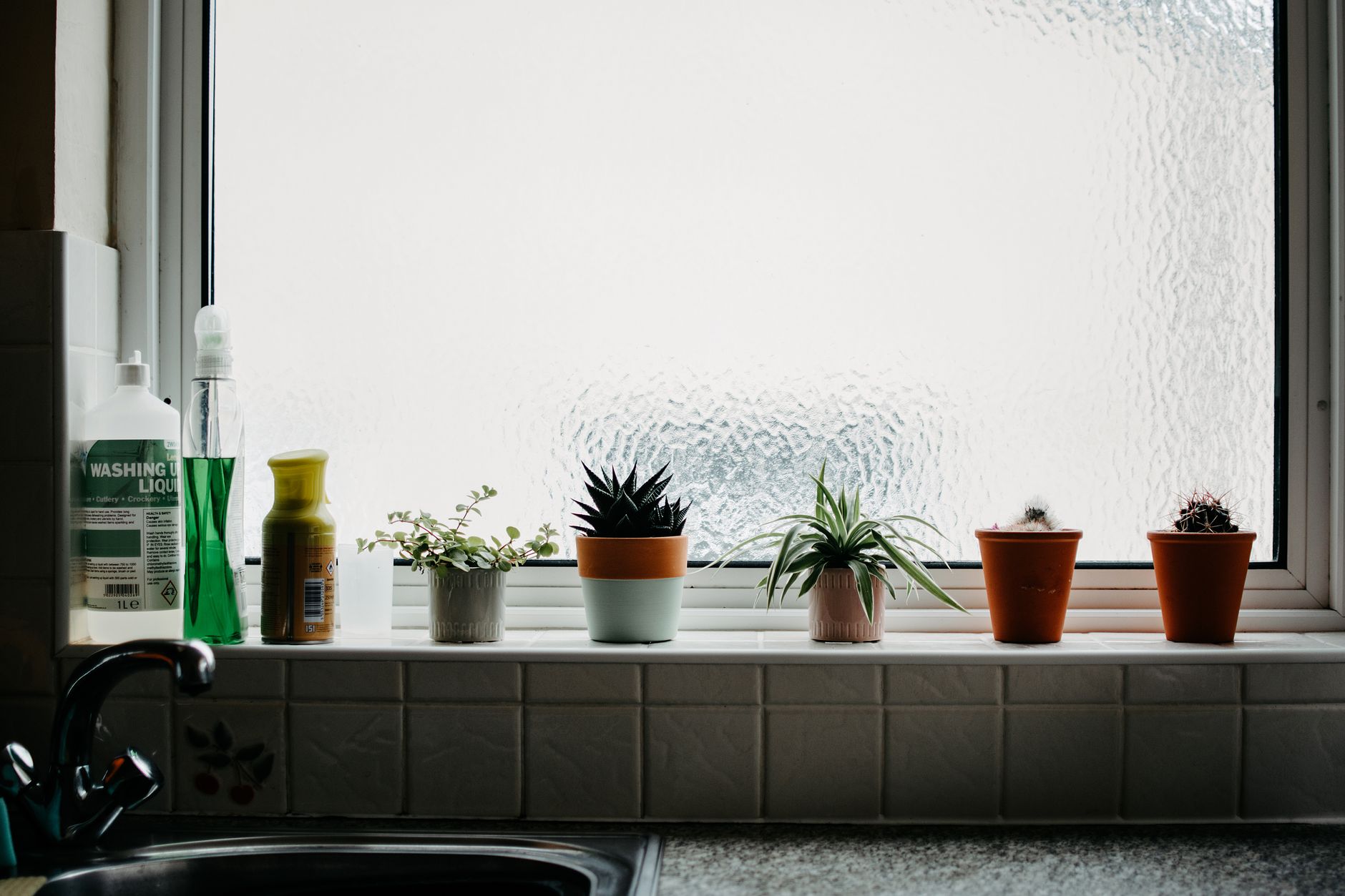
    Hands tending to houseplants on a windowsill, a classic pottering activity with mental health benefits
    Photo by Lisa Fotios on Pexels

    The psychological case: autonomy, low stakes, and the mood lift of minor tasks

    Beyond the neuroscience, psychologists point to something simpler. Pottering gives you a sense of gentle autonomy, the feeling that you are choosing what you do and that nothing is at risk if you do it imperfectly. Tightening a loose hinge on the kitchen cupboard, finding a good spot for a new plant, sorting through a drawer of accumulated oddities: these are tasks you selected yourself, with no deadline and no one grading the result.

    Research from the University of Exeter has long connected access to controllable, low-demand environments with reduced anxiety. Your home, when you are free to move through it without agenda, is one of the most controllable environments you will ever inhabit. That sense of being master of your own small domain is not trivial. It accumulates into wellbeing over time.

    There is also the satisfaction of minor completion. Even a potter who starts nothing and finishes nothing often ends up with one small thing slightly better than it was: a tidy corner, a watered plant, a shelf that now makes more visual sense. These micro-wins register in the brain’s reward circuitry. Small as they are, they count.

    This connects to something I’ve noticed in writing about the slow living movement across the UK: the common thread is not inactivity but intentionally unhurried activity. Pottering fits that description perfectly. You are not rushing, not optimising, not performing. You are just present in your own space.

    Why Britain, specifically, does this

    Other cultures have analogous concepts. The Japanese notion of ma describes meaningful pause and empty space; the Danish hygge leans into cosy domesticity. But pottering has a particularly British flavour because it is so unpretentious about itself. It does not require a philosophy. You do not need a dedicated corner of the house or a special set of tools. You just wander about a bit.

    Part of this is probably architectural. British homes, especially terraced houses and semi-detacheds with small rooms that flow into each other, lend themselves to the kind of aimless room-to-room drift that constitutes proper pottering. There is always a window to look out of, a hallway to cross, a back door to open and peer through. Even the act of adjusting the curtains or straightening the blinds, small domestic rituals, fits the pattern. (On that note, if you have been putting off updating those window dressings, Vesta Blinds and Shutters Mansfield is worth a look for anyone in the East Midlands rethinking their options.)

    Britain also has a cultural permission, baked in somewhere between the Victorians and the postwar period, to be quietly occupied at home without having to justify it. The concept of a Sunday afternoon spent doing not very much in particular is socially legible here in a way it is not in more overtly productivity-focused cultures.

    How pottering connects to other happiness habits

    I’ve seen similar patterns in almost every habit that genuinely seems to lift people’s mood over the long term. Cooking from scratch, for example, shares several features with pottering: unhurried physical activity, sensory engagement, low stakes, and a small but real output at the end. The difference is that cooking has a defined goal. Pottering does not even need that.

    The repair café movement across the UK also draws on related instincts. People who attend often say the act of gentle, hands-on work in a low-pressure environment is what they value most, not just the fixed object. That is the pottering impulse finding communal expression.

    Making space for it without feeling guilty

    The main obstacle to pottering is not time. Most people who say they have no time to potter are checking their phones for twenty minutes at a stretch without noticing. The obstacle is permission. We have thoroughly internalised the idea that unstructured time is wasted time, and that if we are going to rest we should at least be doing it properly: exercising, meditating, reading something improving.

    But the research suggests the brain does not need you to optimise your rest. It needs you to give it some undemanding space to operate. A half-hour potter on a weekend morning, no phone, no list, just you and the house and whatever minor thing catches your attention, costs nothing and accumulates into something meaningful over weeks and months.

    The Mental Health Foundation’s guidance on relaxation makes the point that low-intensity physical activity in a familiar environment is one of the more sustainable routes to reducing day-to-day stress. Pottering, though it does not appear by name, fits that description precisely.

    Give yourself an afternoon. Wander around. Make tea. Forget where you left it. Notice something small that could be slightly better and make it slightly better. Then wander somewhere else. You are not wasting time. You are doing something your brain has needed all week.

    Frequently Asked Questions

    What does 'pottering' mean in British culture?

    Pottering refers to moving around the home in an aimless, unhurried way, doing small tasks with no fixed goal or deadline. It is a distinctly British term for the kind of gentle, self-directed domestic activity that fills a relaxed afternoon without any pressure to produce a specific result.

    Is pottering actually good for your mental health?

    Yes, there is real evidence behind it. Low-intensity, self-directed activity activates the brain’s default mode network, which handles emotional processing, memory consolidation, and creative thinking. Pottering reduces cortisol and gives the brain room to do this background work that focused, task-heavy activity can suppress.

    How is pottering different from procrastination?

    Procrastination involves avoiding a specific thing you know you should be doing, which typically generates anxiety. Pottering happens in genuinely free time, with no avoided obligation attached. The absence of a deferred task is what makes it restorative rather than guilt-inducing.

  • How Repair Cafés Across the UK Are Fixing More Than Just Broken Objects

    How Repair Cafés Across the UK Are Fixing More Than Just Broken Objects

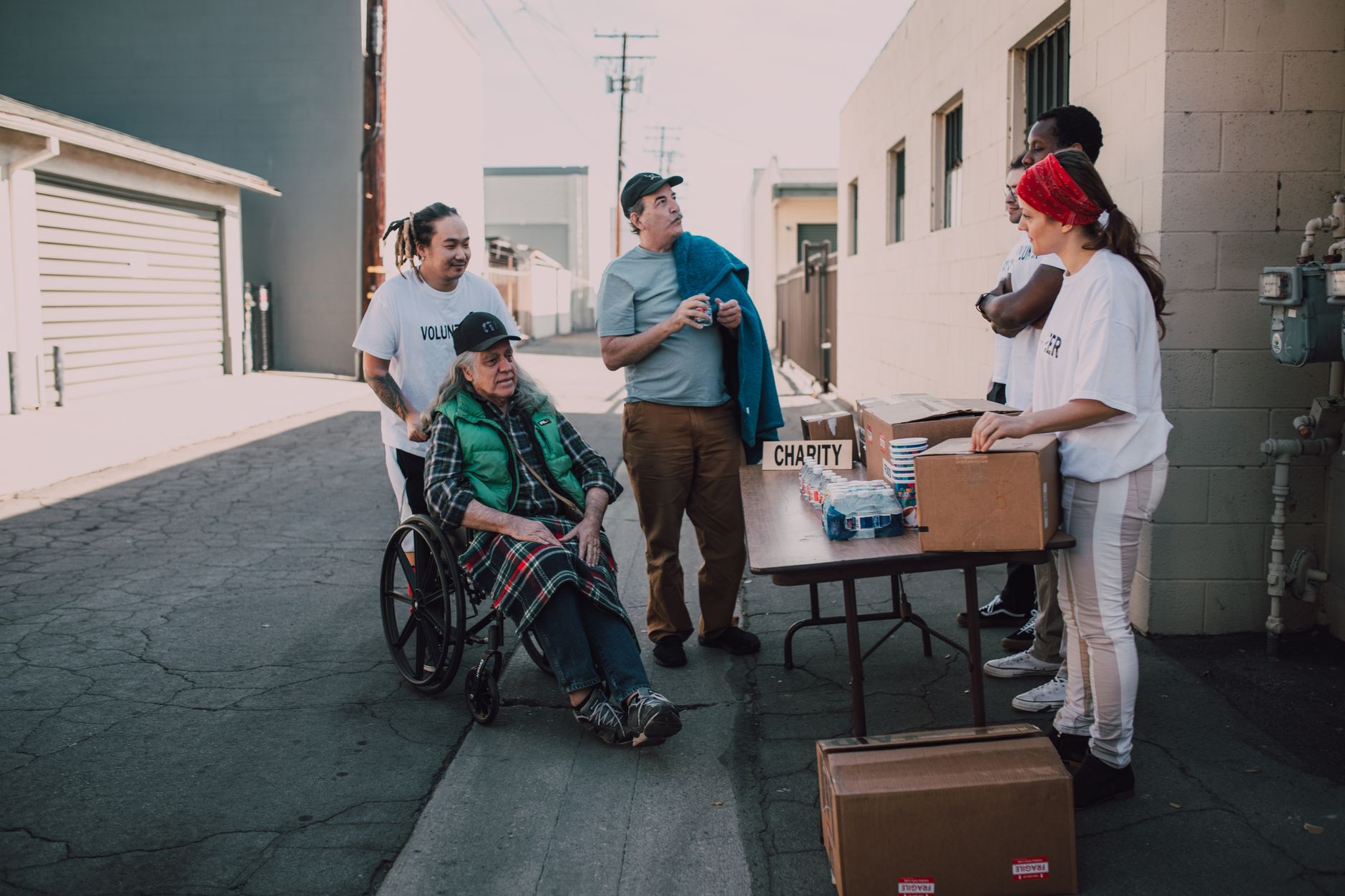
    There’s a toaster on a table in a church hall in Hebden Bridge. Next to it, a retired electrical engineer called Derek is explaining to a 24-year-old woman why the element burned out, and they’re both laughing about something she said. Nobody is being paid. The toaster will probably be fixed within the hour. This, in its quiet, unglamorous way, is one of the most cheerful scenes I’ve come across in years of writing about what actually makes people happier.

    Repair cafés are exactly what they sound like: volunteer-run community events where people bring broken or damaged items, kettles, bicycles, clothes, toys, furniture, electronics, and skilled volunteers help fix them, often over a cup of tea. They sound modest. But the repair cafés UK community wellbeing story is considerably bigger than a fixed toaster suggests.

    Volunteers and visitors working together at a repair café UK community wellbeing event in a local hall
    Photo by Calvin Seng on Pexels

    Where did repair cafés come from, and how big is the movement now?

    The concept originated in Amsterdam in 2009, founded by journalist Martine Postma as a response to throwaway culture. It spread quickly. In the UK, the movement grew steadily through the 2010s and has accelerated sharply since 2021. According to the Repair Café Foundation, there are now well over 300 registered repair cafés operating across Britain, with many more informal pop-up events running under community centre and library banners. Cities like Bristol, Leeds, Edinburgh and Manchester each have multiple regular sessions. Smaller towns, including Ludlow, Totnes and Stroud, have built their own active repair communities.

    The Restart Project, a London-based social enterprise, has championed the format under the name “Restart Parties”, focusing specifically on electronics. Their data suggests that across hundreds of UK events, around 70% of brought-in devices are successfully repaired or given a realistic second life. That’s a genuinely striking number, given most of us assume a broken laptop or blender is simply done for.

    What actually happens at a repair café?

    I went along to one on a Saturday morning in Sheffield last autumn. The format is simple: you book a slot, or sometimes just turn up, and a volunteer with relevant skills works alongside you on your item. The key word is “alongside”. You’re not dropping it off for someone else to sort. You’re learning, watching, asking questions, handing tools when asked. Most repair cafés actively avoid doing the repair for you, because the knowledge transfer is half the point.

    The volunteers I spoke to were a genuinely mixed group. A semi-retired seamstress. A secondary school design teacher. A self-taught bike mechanic in his thirties who’d never done anything like this before joining. What they shared was a quiet satisfaction that was hard to fake. One woman told me she’d been volunteering every other Saturday for eighteen months and that it had become, without exaggeration, the part of her week she protected most fiercely.

    That sense of purpose is something researchers have been paying closer attention to. Work from the University of Exeter’s European Centre for Environment and Human Health has pointed to the wellbeing benefits of skill-sharing and community participation, particularly for older adults who may have retired from structured work. There are parallels here with what I’ve written about before regarding what Britain’s most content retirees have in common, it consistently comes back to active contribution, not passive leisure.

    The environmental case isn’t just a bonus

    The UK throws away around 1.5 million tonnes of electrical and electronic waste every year, according to Material Focus, the UK not-for-profit that runs the Recycle Your Electricals campaign. Much of that could be extended with straightforward repairs: a new flex, a cleaned contact, a replaced capacitor costing pennies. Repair cafés are small-scale interventions, obviously. But they shift something more durable than the items they fix: they change the participant’s instinct about what’s worth salvaging.

    People who attend once, I was told by several organisers, almost universally come back. Not just because it works, but because the experience reframes how they think about objects they own. One organiser in Bath described it as “the opposite of Amazon Prime”, which I thought was rather good.

    The community bond piece is the part that surprises people most

    When people first hear about repair cafés, they often frame it as an environmental thing, or a skills thing. What they don’t expect is how socially powerful it turns out to be. An afternoon in a warm hall, working on something tangible alongside a stranger who knows more than you, has a particular quality. There’s no agenda. No networking. No performance. Just a shared problem and two people trying to solve it.

    This matters more than it might seem. Loneliness in the UK remains a genuine public health concern, with the government’s own figures suggesting around 3.8 million people experience chronic loneliness. Repair cafés are not a cure, but they create exactly the kind of low-pressure, purposeful social contact that researchers associate with meaningful connection. It’s the same logic behind why pet ownership is increasingly being recognised as a wellbeing tool, both provide a reason to engage with the world that isn’t about yourself.

    I’d also argue there’s something important about the intergenerational dimension. Older volunteers with practical skills from an era when things were built to last are passing knowledge to younger people who grew up in a genuinely disposable culture. That exchange runs both ways: the younger participants often bring digital literacy and different problem-solving approaches. The Sheffield session I attended had a 68-year-old teaching a teenager how to resolder a headphone jack. It was genuinely lovely to watch.

    How to find or start a repair café near you

    If you want to attend one, the Repair Café Foundation’s website has a map finder that covers UK locations. The Restart Project lists its London and regional events separately. Many local councils, particularly in Wales and Scotland, have started supporting repair café initiatives with small grants under their circular economy or community resilience programmes.

    Starting one is more accessible than most people assume. The Repair Café Foundation provides a starter pack, and most organisers describe the hardest part not as logistics but as finding volunteers with the right skills. If you have a practical skill, sewing, basic electronics, woodworking, bicycle mechanics, there is almost certainly a local group that would welcome you. The hours are usually just one or two Saturdays a month. And based on everything I heard, the return in terms of personal satisfaction is well out of proportion to the time given.

    Thinking about what makes people genuinely happy, not in a vague, motivational-poster way, but in terms of daily lived experience, repair cafés tick almost every box that research points to: purposeful activity, skill use, social contact, contribution to something bigger than yourself. They’re the kind of experience that stays with you far longer than anything you could buy. And they fix toasters.

  • How Keeping a Household Pet Is Being Prescribed as a Wellbeing Tool by UK Health Professionals

    How Keeping a Household Pet Is Being Prescribed as a Wellbeing Tool by UK Health Professionals

    There is something quietly remarkable happening in GP surgeries and community health centres across the UK. Alongside the usual prescription pads and referral letters, a growing number of health professionals are pointing patients towards something altogether warmer and furrier. Social prescribing, the practice of connecting people with non-clinical community activities to support their health, has expanded significantly in recent years, and animals are increasingly central to it. Pet ownership mental health UK NHS conversations have moved well beyond anecdote. There is now a body of evidence that GP link workers and social prescribers are drawing on when they suggest a patient might benefit from a dog, a cat, or even a visit to a community farm.

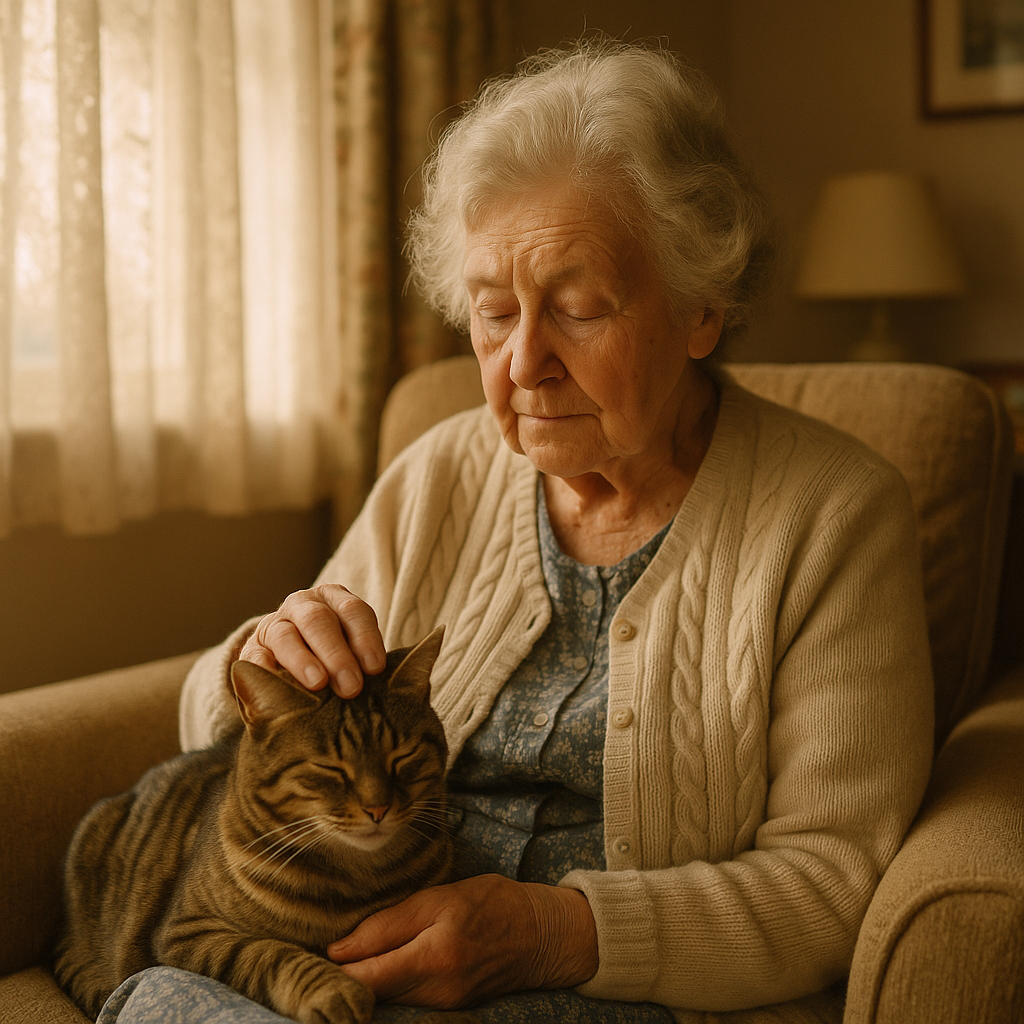
    Older woman stroking a cat at home, illustrating pet ownership mental health UK NHS social prescribing

    What social prescribing with animals actually looks like

    Social prescribing is not new. The NHS Long Term Plan, published in 2019, committed to embedding link workers in primary care networks across England, and by 2025 there were over 3,000 of them operating nationwide according to NHS England figures. What has shifted is how confidently those link workers are referring patients to animal-based activities as part of a structured care plan.

    In practice, this can take several forms. Some patients are encouraged to adopt a rescue dog from a local shelter, with the link worker helping them access low-cost or subsidised adoption through charities such as Dogs Trust or Cats Protection. Others are referred to care farms, where spending time with horses, chickens, or goats is used to reduce anxiety and build routine. Some GP practices have partnered with Pets As Therapy, a UK charity whose volunteers bring trained dogs and cats into surgeries, care homes, and mental health units for structured visits. The dog does not need to be yours to provide a benefit, it turns out.

    The evidence behind pet ownership and mental health

    Sceptics are right to ask what the research actually says, and the honest answer is that the evidence is encouraging without being definitive. A 2022 review published in BMC Psychiatry examined 17 studies and found consistent associations between pet ownership and reduced symptoms of anxiety, depression, and loneliness, particularly among adults living alone. The researchers noted that the act of caring for an animal creates structure and a sense of purpose, two things that tend to erode quickly when someone is isolated or struggling.

    UK-specific data adds texture to this. The Mental Health Foundation found in its 2022 loneliness report that around 25% of UK adults reported feeling lonely often or always, and that pet ownership was among the factors associated with lower loneliness scores. The Office for National Statistics has similarly flagged that living alone is one of the strongest predictors of chronic loneliness in England, and it is precisely this group that social prescribers are most keen to reach.

    Animals seem to work on several mechanisms at once. Physical touch, particularly stroking a dog or cat, has been shown in laboratory settings to lower cortisol (the body’s primary stress hormone) and trigger releases of oxytocin. Daily dog walking gets people outside, adds light exercise, and creates incidental social contact with other dog owners. Routine feeding and care gives structure to days that might otherwise drift. These are not small things for someone in the depths of a depressive episode.

    Loneliness, anxiety, and who benefits most

    Not everyone responds the same way, and good social prescribers know this. Older adults living alone tend to show the clearest benefit from pet ownership, partly because a pet reintroduces daily purpose and physical contact that retirement and bereavement can strip away. The Campaign to End Loneliness, which works with NHS partners across England, Wales, and Scotland, has documented strong qualitative evidence that pet ownership changes the texture of daily life for isolated older people in ways that group activities sometimes cannot.

    Younger adults dealing with anxiety also report positive effects, particularly from dog walking, which combines the well-established benefits of outdoor exercise with the social lubricant effect of having an animal that strangers want to engage with. A dog in a park is a conversation starter. That matters when anxiety has made social interaction feel impossible.

    There is a reason wellbeing and sleep quality are often discussed together in this context. Restful nights and calmer days tend to reinforce each other, and for people whose anxiety disrupts sleep, having a calm evening routine with a pet can ease the transition into rest. If you are curious about how sleep and mood interact on a deeper level, what British sleep scientists recommend for a better night’s rest is worth reading alongside the animal-assisted wellbeing literature.

    The practical reality: cost, housing, and access

    The obvious tension in prescribing pet ownership is that it is not free and not always possible. Renting in the UK is a particular barrier. The Renters’ Rights Act 2024, which received Royal Assent in late 2024, strengthened tenants’ rights to request permission to keep pets, and landlords must now have reasonable grounds to refuse. That is a genuine policy shift, and link workers are increasingly aware of it when talking through options with patients in private rented accommodation.

    Cost remains real. A dog, once you account for food, vet bills, insurance, and equipment, can cost between £1,000 and £2,000 a year at minimum. Cats are cheaper but still a commitment. This is why care farms, Pets As Therapy visits, and community animal projects are so valuable: they deliver many of the same benefits without asking someone on a limited income to take on a dependent. Some NHS Integrated Care Boards are now funding these schemes directly as part of their social prescribing budgets, which is a meaningful development.

    What the NHS is actually funding

    NHS England’s guidance on social prescribing, available at england.nhs.uk, makes clear that link workers have discretion to refer to any community asset that addresses a patient’s wider determinants of health. Animal-assisted activities fall squarely within that framing. Several Integrated Care Systems, including those in Greater Manchester and the South West, have published evaluations showing measurable reductions in GP appointment frequency among patients engaged in social prescribing programmes that include animal contact.

    The picture that emerges is one of a health system cautiously but genuinely opening up to the idea that wellbeing is not purely pharmaceutical. Pet ownership mental health UK NHS conversations are happening at a policy level now, not just in individual consultations. Whether that translates into broader funded schemes will depend on how clearly the evidence continues to build. For now, the dogs and cats are doing their part.

    Frequently Asked Questions

    Can a GP actually prescribe a pet for mental health in the UK?

    GPs do not write formal prescriptions for pets, but NHS link workers and social prescribers can refer patients to animal-assisted activities, care farms, or schemes like Pets As Therapy as part of a social prescribing plan. The referral is voluntary and based on the patient’s circumstances.

    What is social prescribing and how does it involve animals?

    Social prescribing connects patients with non-clinical community support to address health and wellbeing needs. In the context of animals, this might mean referrals to care farms, dog-assisted therapy sessions, or support in adopting a rescue pet from a charity such as Dogs Trust.

    Is there scientific evidence that pets reduce anxiety and loneliness?

    Yes, though the evidence is still developing. A 2022 review in BMC Psychiatry found consistent links between pet ownership and reduced anxiety, depression, and loneliness across 17 studies. Physical contact with animals has also been shown to lower cortisol and trigger oxytocin release in multiple laboratory settings.