There is something quietly transformative about having a corner of your home that belongs entirely to you and the thing you love doing most. A dedicated hobby space at home is not a luxury reserved for people with large houses or spare rooms, it is a considered choice about how you want to feel each day. I have seen this play out in friends’ houses, in online maker communities, and in my own life: the moment a space has purpose, it pulls you toward it. You stop procrastinating. You actually use it.
The UK’s growing community of makers, growers, crafters, and hobbyists is investing more thoughtfully in home spaces than ever before. According to data from the Office for National Statistics, leisure time spent on hobbies and creative pursuits increased significantly after 2020, and many people never went back to treating those activities as afterthoughts. The question now is how to set up a space that genuinely serves the hobby, and, by extension, serves your mental health.

Why your space shapes how much you enjoy the hobby
There is a reason professional artists, musicians, and writers are obsessive about their working environment. Friction kills habits. If your watercolours are buried in a cupboard, your easel is folded behind the sofa, and you need forty minutes of setup before you can even begin, you simply will not paint as often. The brain reads environmental cues: a clear, ready, purposeful space says “this is where the good thing happens.” A cluttered corner stacked with other people’s things says something very different.
Research consistently links creative hobbies to lower cortisol levels, better sleep, and a stronger sense of identity outside work. That sense of identity matters enormously. One reason dressing intentionally improves daily confidence is the same principle at work here: when you make deliberate choices about your environment and how you show up in it, you feel more in control. A dedicated hobby space is that principle applied to your home.
Step one: be honest about what the hobby actually needs
Most people skip this step and end up with a space that looks lovely on Pinterest but does not work in practice. Sit down and list the physical requirements of your hobby before you buy a single shelf or piece of furniture.
A knitter needs good light, a comfortable chair, yarn storage that keeps skeins visible and untangled, and somewhere to set a drink down without risking a spill on the project. A woodworker needs ventilation, a sturdy workbench at the right height, tool storage within arm’s reach, and a floor that can take sawdust. A reader needs stillness, warmth, a chair or daybed sized correctly for their body, shelving for books-in-progress, and ideally a lamp positioned so the light falls over the right shoulder. Get specific. The specificity is what makes the space actually work.
For people setting up adult lifestyle spaces, whether that means a yoga and meditation room, a sensory relaxation corner, or a private space for intimate hobbies, the same principle holds. Specialist pieces matter. Just as a ceramicist would not compromise on a proper kick wheel, someone outfitting a private adult space may seek out purpose-built BDSM furniture UK suppliers who craft pieces designed for both function and durability. Whatever the hobby, bespoke furniture built for the purpose outperforms a makeshift arrangement every single time.
Step two: find or carve out the right spot
You do not need a whole room, though if you have one spare, use it. Some of the most effective hobby spaces I have come across are a single alcove in a bedroom, half a garden shed, or a section of a dining room defined by a bookcase used as a divider. What matters is that the space feels set apart, mentally as much as physically.
Natural light is worth prioritising where you can manage it. Northerly light (consistent and shadow-free) is loved by painters and crafters; easterly light gives you good morning working conditions if you tend to create early. If your chosen spot lacks windows, invest in a proper daylight bulb rather than a standard warm-white fitting, the difference in how long you can comfortably work is remarkable.
Sound matters too. If your hobby requires concentration, writing, model-making, technical drawing, a location away from the main household flow is worth some inconvenience in room layout. A pair of good over-ear headphones can compensate, but physical separation is better when available.
Step three: design for the way you actually work, not the way you think you should
This is where many hobby spaces go wrong. People design for the aspirational version of themselves rather than the real one. If you tend to leave projects mid-flow and come back to them three days later, you need open storage, not closed cupboards that hide the work-in-progress (and therefore hide the invitation to continue). If you like to spread out laterally, a deep narrow desk will frustrate you. If you always have a cup of tea beside you, plan for somewhere safe to put it.
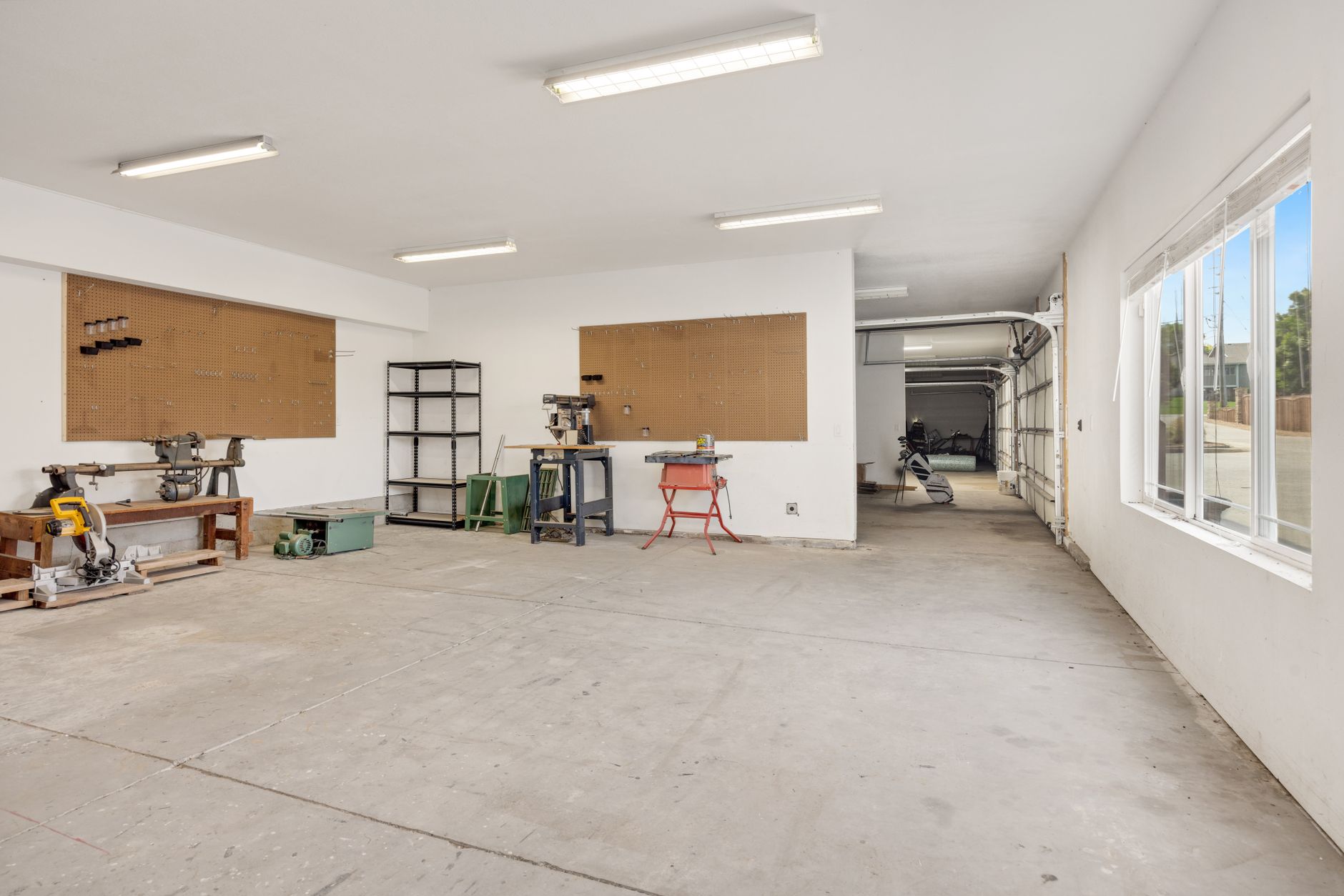
Storage should be visible and accessible. The more steps between you and the thing you need, the less often you will create. Wall-mounted pegboards for tools, open shelving for materials, a rolling cart that brings everything to where you are sitting, all of these reduce friction. Reduce friction and you increase the odds of actually showing up to the hobby on a grey Tuesday evening, which is when it matters most.
The furniture question: functional beats beautiful (though it can be both)
Good furniture for a hobby space is furniture that does its job silently. A chair at the wrong height will give you a sore neck after twenty minutes. A table that wobbles undermines precision work. A storage unit with doors that stick will quietly train you to stop opening it. These things sound minor but they accumulate into a space that feels like a chore rather than a pleasure.
In the UK there are brilliant independent makers producing purpose-built workshop furniture, custom shelving, and handcrafted studio pieces, often at prices that compete with mid-range flat-pack, especially when you factor in longevity. Organisations like the Crafts Council maintain directories of UK makers working in furniture and interiors, and commissioning locally made pieces is increasingly popular among people serious about their hobby spaces.
I would also say: do not be afraid to buy second-hand. Draughtsman’s tables, old printer’s cabinets with small-drawer storage, dentist’s stools (perfect height for bench work), the British second-hand market, via sites like Vinterior or local auction houses, is genuinely excellent for functional hobby furniture.
Making the space feel like yours
A hobby space that does not feel personal will not feel welcoming. This does not mean covering every surface in motivational quotes or fairy lights (unless that is genuinely what you like). It means choosing colours that calm or energise you appropriately, displaying finished work or materials you find beautiful, and keeping the space free of things that belong to other areas of life. No piles of post, no school bags, no work laptops. The boundary is important.
There is a connection here worth acknowledging between community and private creative space. Many people who thrive in their home studios also invest in outside connections, joining groups, sharing work, meeting others. The social benefits of joining groups centred on a shared interest are well documented, and a good home space supports that outward engagement rather than replacing it. You return from a craft group or a maker meetup energised, with new ideas, and you have somewhere ready to act on them.
Similarly, if your household includes multiple people and you are navigating shared space, the kind of intentional household design conversations explored in discussions about multigenerational living and home happiness are worth having early. Being clear that this corner or room is yours, and that it stays set up, avoids the resentment that builds when a hobby space keeps getting co-opted for other purposes.
How long does it take to see a difference?
Shorter than you might expect. Most people who set up a proper dedicated space report using it within 48 hours, simply because it is there, ready, and inviting. The habit then tends to build on itself. Once you have spent three or four evenings in the space and started associating it with the particular pleasure of the hobby, the pull becomes automatic. You walk past and feel drawn in. That is the point. That is what a well-designed dedicated hobby space at home does for your everyday happiness: it makes the good thing easy to choose, every single day.
Frequently Asked Questions
How much space do I need for a dedicated hobby room at home?
You do not need a full spare room. A 2-metre by 1.5-metre alcove, a sectioned-off corner of a bedroom, or half a garden shed can work very well if it is set up specifically for the hobby. The key is that the space stays dedicated, not shared with storage for other things.
What are the best hobby room ideas for small UK homes?
Wall-mounted pegboards and shelving free up floor space and keep materials visible. A fold-down wall desk is useful for craft work or writing. A rolling trolley that stores tools and tucks away is a practical alternative to fixed benches in very tight spaces. Dividing a room with a bookcase or curtain creates psychological separation even without a door.
Does having a hobby space at home genuinely improve mental wellbeing?
There is good evidence that regular engagement with creative hobbies lowers stress and improves mood. Having a ready, set-up space removes the friction that stops people from actually using hobby time, making consistent engagement far more likely. Consistency is what produces the wellbeing benefit, not occasional bursts of activity.
How do I stop a hobby space from getting cluttered and unusable?
Build in specific storage for every category of material before you start using the space, and make the rule that nothing unrelated to the hobby lives there. A five-minute tidy at the end of each session keeps things manageable. Open, visible storage tends to stay tidier than closed cupboards because you can see when things are out of place.
What furniture should I prioritise first when setting up a craft room or workshop?
Start with the main work surface, get the height, depth, and sturdiness right for your specific activity before anything else. Then sort storage for your most-used materials so they are within arm’s reach. Comfortable, ergonomically sound seating comes third. Decorative elements can come last; functional pieces are what make you actually use the space.