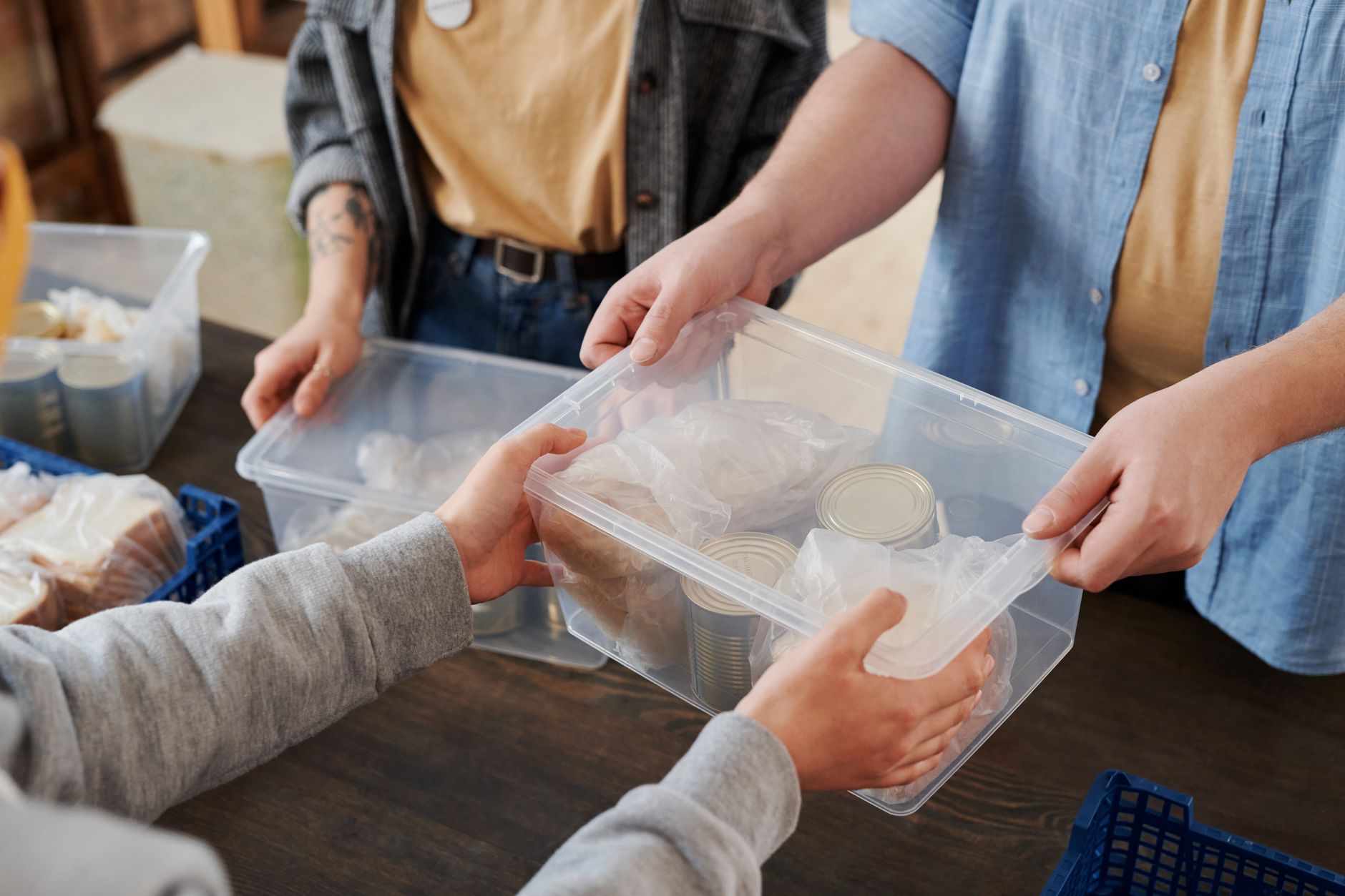
There is a moment, usually about twenty minutes into helping out at a local food bank or community garden, when something shifts. The mental noise quiets down. You stop thinking about your inbox. You are just there, doing something useful, for someone who needs it. I’ve experienced it myself, and I’ve heard people describe it in almost identical terms, regardless of where in the country they volunteer or what they’re actually doing.
It turns out this isn’t coincidence or sentiment. The link between volunteering happiness UK-wide and genuine psychological benefit is one of the more robustly supported findings in wellbeing research. And the amount of time required is far smaller than most people assume.
What the UK data actually shows
The Community Life Survey, run by DCMS, has tracked volunteering behaviour and self-reported wellbeing across England for over a decade. Consistently, people who volunteer at least once a month report higher life satisfaction, a stronger sense of purpose, and lower rates of loneliness than those who don’t volunteer at all. The 2023 to 2024 edition found that 27% of adults in England volunteered formally at least once a month, and that group showed notably higher scores across multiple wellbeing measures.
The numbers hold even when researchers control for confounding factors like income, employment status, and pre-existing social connections. Volunteering isn’t just something happy people happen to do. The act itself appears to produce the effect.
Why giving your time affects your mood
Psychology has a few strong explanations for why volunteering happiness UK residents report is genuine rather than placebo.
The most compelling is what researchers call the “helper’s high”, a real neurological response involving the release of oxytocin and endorphins when we act prosocially. Studies from the University of Exeter’s European Centre for Environment and Human Health have looked at the wellbeing effects of nature-based volunteering specifically, finding reductions in anxiety and improvements in mood comparable to moderate exercise. That matters in a country where mental health pressures on the NHS are well documented.
There is also the question of purpose. A recurring theme in wellbeing research is that meaning matters more to long-term happiness than pleasure. Volunteering provides a ready-made frame of meaning: your time is clearly doing something for someone beyond yourself. That’s surprisingly rare in ordinary life, and it turns out to be quite nourishing. If you’ve read about what Britain’s most content retirees have in common, you’ll recognise this pattern, a sense of contribution consistently comes up as one of the strongest predictors of life satisfaction in later years.
The community effect that goes beyond the individual
One thing that doesn’t always make it into the conversation is what happens to the places where volunteering is common, not just the individuals doing it. Areas with higher rates of regular volunteering tend to have stronger social cohesion, more trust between neighbours, and more resilient local infrastructure when things go wrong.
The UK has a genuinely rich tradition of this. The repair café movement, which has spread across Britain, is a good example, hundreds of community-run sessions where volunteers fix broken household items for free. On the surface it’s about mending a toaster. Underneath, it’s about people connecting, sharing skills, and keeping something alive in their neighbourhood that the market wouldn’t provide.
The same dynamic shows up in community gardens, food banks, hospice visiting schemes, park runs, and the countless informal community groups that exist in almost every British town. The fabric of those places depends on people turning up and doing things for free. And those same people, reliably, report feeling better for it.
Why once a month is enough to start
People often imagine that volunteering requires a major commitment, a regular weekly slot, a DBS check, a lengthy induction. Sometimes that’s true. But the evidence doesn’t suggest you need to be giving significant time to see a benefit.
Research from the London School of Economics found that the wellbeing boost from volunteering peaks at around one to two sessions per month for most people. Beyond that, the additional return diminishes. This is genuinely good news. A single Saturday morning at a local food bank, once a month, is enough to start shifting the needle on mood and sense of purpose. You don’t need to overhaul your schedule.
For people already drawn to the idea of slowing down and living with more intention, volunteering fits naturally into that shift. It’s structured, social, and purposeful in a way that purely solitary habits often aren’t. And unlike some wellbeing practices that can feel quite inward-looking, it directs your attention outward, which, somewhat paradoxically, is often exactly what helps.
How to actually find something that suits you
The most common reason people don’t start is that they don’t know where to look, or they pick something that doesn’t fit and then write off the whole idea. A few practical pointers based on what tends to work.
Do-it.org is the UK’s largest volunteering database and lets you search by postcode, time commitment, and type of role. Most local councils also maintain their own volunteering directories. If you want something with a community-building slant rather than a service-delivery one, look at local allotment groups, repair cafés, or neighbourhood mutual aid networks, these tend to have lower formal barriers and a more relaxed atmosphere.
Pick something connected to an interest you already have. If you enjoy being outdoors, the National Trust and Wildlife Trusts both run large volunteer programmes. If you’re drawn to people and conversation, hospice befriending or community library volunteering might be the fit. The research suggests enjoyment of the activity itself moderates the wellbeing effect, so going through the motions somewhere you resent being won’t produce the same result.
The habit that compounds
What I find most interesting about this area of research is how different it looks from most wellness advice. No special equipment. No subscription. No particular skill level required. Just showing up somewhere, regularly, and helping with something real.
The social aspect is part of why the habit compounds. People who start volunteering tend to report that they become more connected to their local community over time, which in turn makes them more likely to continue. They know more of their neighbours. They feel more invested in their area. Some of what they’re experiencing overlaps with the wellbeing that comes from everyday acts of kindness in community settings, the quiet accumulation of small moments of connection that gradually change how you feel about the world around you.
Volunteering happiness UK researchers talk about isn’t a grand transformation. It’s slower and quieter than that. But the evidence that it works is solid, the barrier to starting is low, and the return extends well beyond the person doing it. That strikes me as a fairly good deal.