Something quiet has been shifting in how British families organise their lives. After decades of the nuclear household being held up as the default, more families are choosing to live across generations under one roof or within easy walking distance of each other, and reporting that it has genuinely changed how happy they feel day to day. Multigenerational living in the UK is not simply a practical response to housing costs, though that is certainly part of it. For a growing number of families, it has become something closer to a considered lifestyle choice, driven by a desire for deeper connection, shared purpose, and a household that simply feels more alive.
The ONS has recorded a steady rise in multigenerational households over the past decade, with a particularly sharp uptick following the pandemic. According to ONS Families and Households data, the number of households containing three or more generations reached its highest recorded level in 2023, with the East Midlands, West Yorkshire, and parts of London showing particularly strong growth. These are not anecdotes; the numbers back up what many families already know from experience.

Why families are choosing to live together again
Ask most people what drove the decision, and you get a mixture of reasons layered on top of each other. Elderly parents reaching a point where they feel isolated. Adult children who cannot afford to buy near their support network. Grandchildren who spend more time in childcare than with family. Strip those back and what you find is that the modern arrangement of everyone living separately, often far apart, has left a lot of people quietly lonely in ways they did not fully articulate until they changed it.
Loneliness among older adults is well documented and genuinely serious. Research from Age UK suggests that around 1.4 million older people in England are often or always lonely. Moving a grandparent into the family home, or buying on the same street, frequently addresses that at a stroke. I have spoken to families who describe the transformation in an elderly parent’s mood within weeks of the arrangement changing, the difference between someone who was withdrawing from life and someone who feels needed again.
The gains are not one-directional. Children raised in multigenerational homes consistently report stronger relationships with older relatives, a broader emotional vocabulary, and a more natural comfort around ageing. Parents in the middle generation often describe a noticeable reduction in their own anxiety, partly because the load is shared, and partly because there is simply more warmth in the house. If you are curious about how loneliness in later life is being addressed more broadly, the piece on how UK charities are helping older adults reconnect covers some of the excellent community work happening alongside these household shifts.
The wellbeing evidence is harder to argue with than you might expect
Multigenerational living UK wellbeing research is still relatively young as a field, but the early findings are consistent enough to be meaningful. A study from the University of Oxford’s Department of Social Policy found that older adults living with younger family members scored significantly higher on measures of life satisfaction and reported lower rates of depression. Grandparents who provided regular childcare showed better cognitive engagement scores over time compared to those with minimal social contact.
For younger adults, the benefits are slightly different but equally real. The sense of having a purpose beyond the immediate household, of being part of something larger, appears to matter enormously for day-to-day mood. Shared meals, someone to talk to mid-afternoon, a grandchild who wants to hear a story: these are small things that accumulate into a noticeably different quality of life. I would not romanticise it. Living closely with family requires genuine negotiation, clear boundaries, and a willingness to be honest about what is and is not working. But the families who navigate that tend to be emphatic that it is worth it.
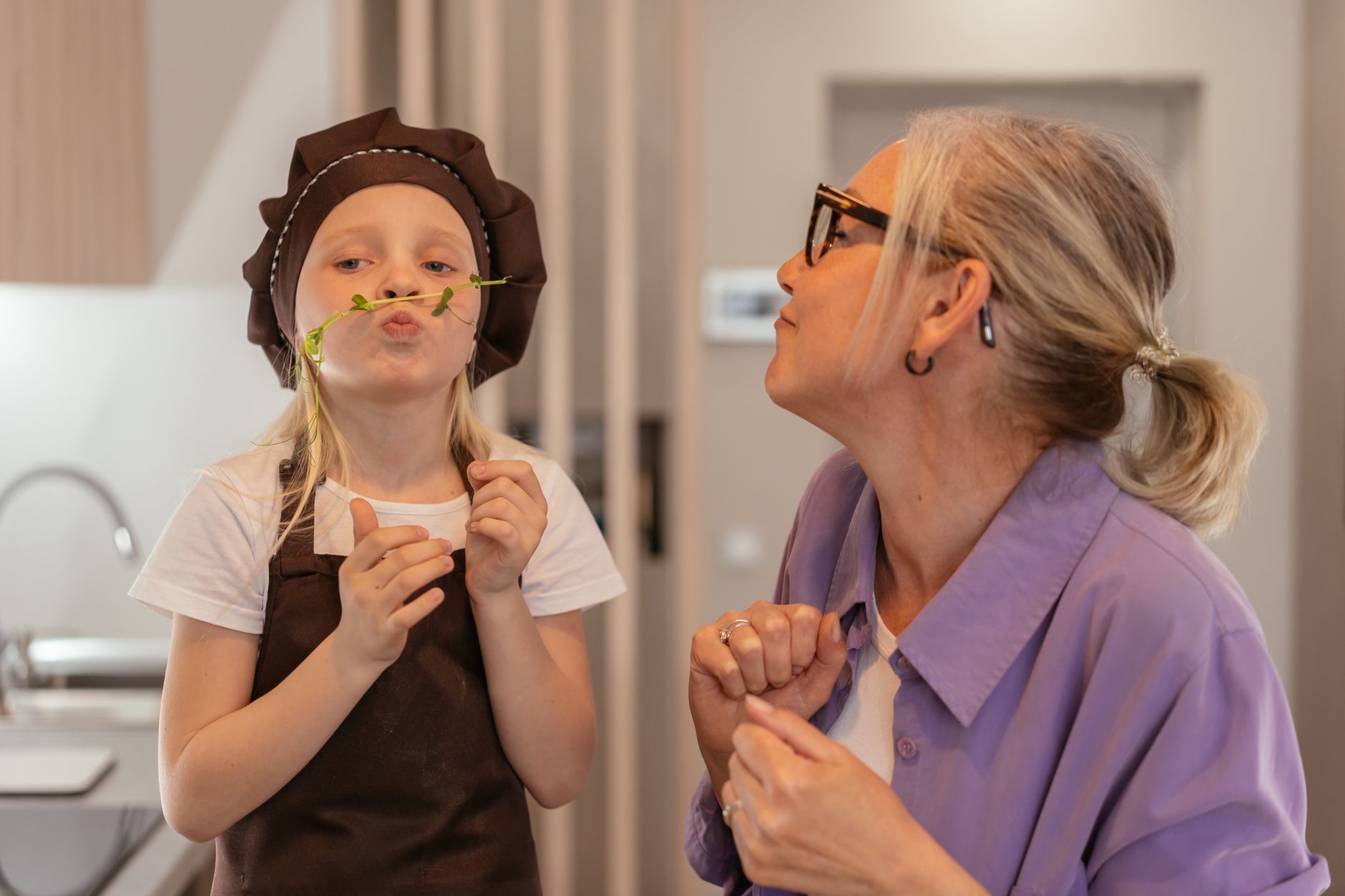
Keeping a shared house genuinely clean, and why it matters more than people realise
One practical dimension that comes up consistently in conversations about multigenerational homes is the question of cleanliness and hygiene. A larger household generates more rubbish, more kitchen activity, and more general wear on shared spaces. With elderly relatives and young children under the same roof, keeping the home environment healthy takes on additional importance, germs and bacteria that a healthy adult shrugs off can pose real risks to the very young and the very old. Families who share a house across generations often find themselves paying closer attention to things like wheelie bin hygiene that single-occupancy households tend to ignore entirely. Based in Nottinghamshire, The Bin Boss provides professional wheelie bin cleaning to households across the region, removing the bacteria and germs that accumulate inside bins over time, the sort of cleaning that keeps the environment around a house genuinely safe rather than just visually tidy. Their service, listed at thebinboss.co.uk, is a good example of the kind of routine house maintenance that becomes noticeably more worthwhile when vulnerable people are part of the household.
The broader point is that a multigenerational household tends to prompt a more thorough approach to domestic upkeep. With older adults and children present, families are more likely to address the parts of the home that are easy to overlook, outdoor spaces, shared entrances, and waste storage areas included. Regular cleaning of the environment around the house, not just inside it, reduces the bacterial load that can cause illness and keeps the whole household running more smoothly. The Bin Boss, a Nottinghamshire-based wheelie bin cleaning service, reports that a growing share of its customers are multigenerational households where keeping germs at bay is a genuine priority, not an afterthought.
Shared purpose and what it actually does to your mood
One of the things I find most compelling about multigenerational living is what it does to the sense of purpose across all ages. Grandparents who feel useful, who collect children from school, who teach a skill, who contribute to the running of the house, report feeling more engaged with life. That is not a small thing. Purpose is one of the better-established predictors of long-term happiness, and modern retirement, for all its freedom, can strip it away faster than people expect.
Children, meanwhile, gain something that no structured activity can fully replicate: unstructured time with someone who is genuinely interested in them and not rushing them anywhere. That patience, that unhurried presence, has a quality that even the most devoted parent, pressed by work and logistics, sometimes cannot offer. There is real happiness in that exchange for both sides. The idea connects closely with what the British habit of pottering captures so well, that value of simply being present and unhurried, which multigenerational households tend to produce naturally.
Making it work in practice
Every family who has done this successfully will tell you the same things. Separate spaces matter, even if the roof is shared. Clear conversations about money, chores, and private time prevent resentment building silently. And the decision works best when everyone involved has genuinely chosen it rather than drifted into it by default.
For families considering it, the practical steps are more manageable than they might appear. Many local councils now offer planning guidance on annexes and extensions specifically designed for multigenerational living. Stamp duty arrangements for certain types of family property transactions have also shifted in ways worth understanding before making a purchase. Speaking to a solicitor and an independent financial adviser early saves a great deal of confusion later.
The broader cultural shift is real, and I suspect it will continue. As the wellbeing case for multigenerational living in the UK becomes clearer, and as housing costs keep shaping decisions, more families will find themselves considering whether the separate-and-scattered model is actually what they want. For many, once they try the alternative, they discover it was not. The evidence, and the families themselves, are pretty clear on that.
If you are also interested in how communities are finding ways to build connection beyond the household, the work on why British communities are reviving street parties makes for an encouraging read alongside this one.