Something has shifted in British classrooms over the past few years, and I think it’s one of the most quietly encouraging changes in education. Alongside maths and English, an increasing number of schools are carving out deliberate time for children to learn how to name their emotions, support a struggling friend, and sit with discomfort without being overwhelmed by it. School wellbeing programmes UK-wide are no longer a fringe experiment, they are becoming part of the fabric of the school day, and the early evidence is genuinely heartening.
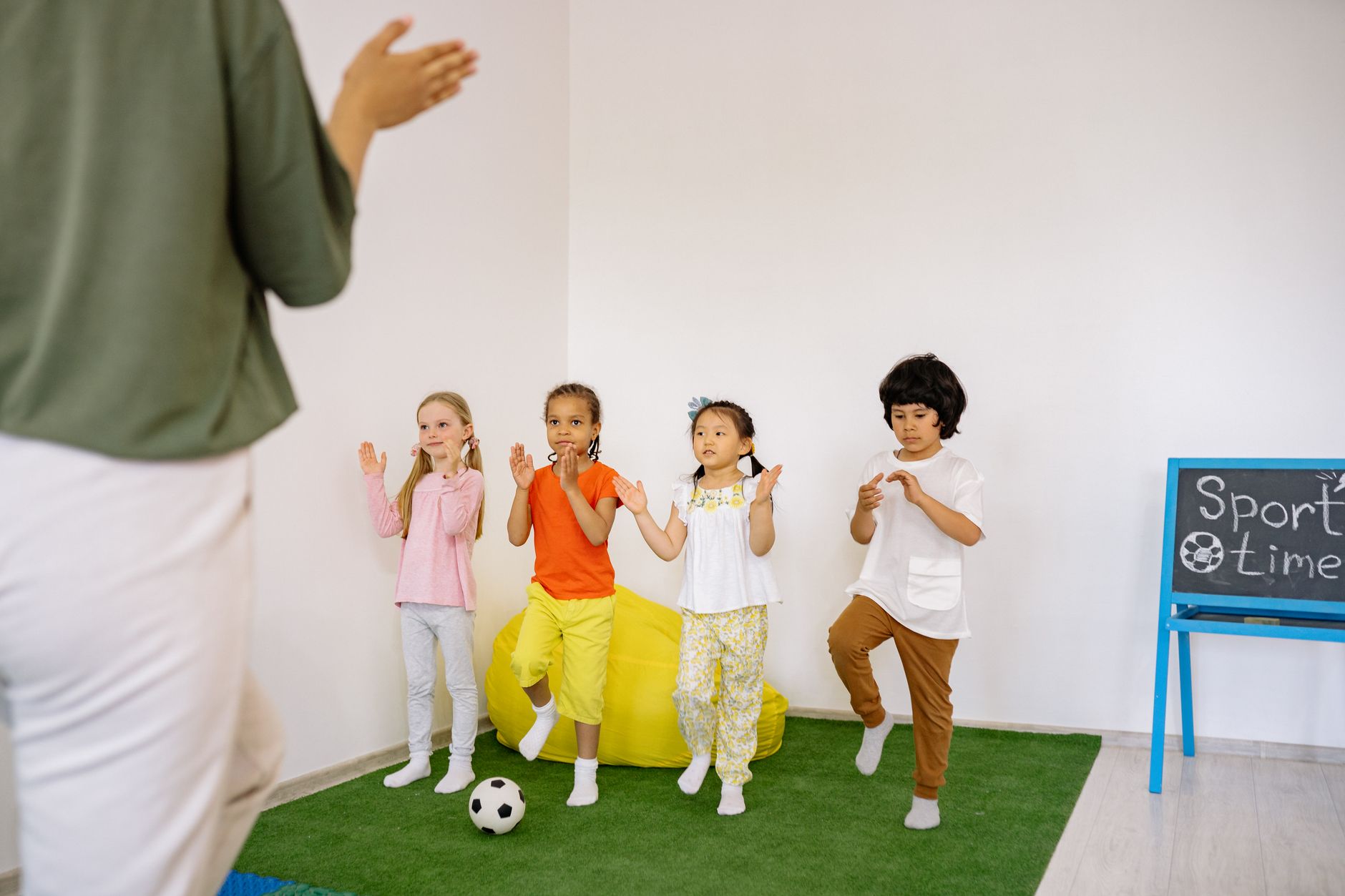
What these programmes actually look like in practice
The phrase “wellbeing curriculum” can sound vague, so it’s worth being specific. At primary level, many schools now run weekly circle-time sessions structured around Social and Emotional Learning (SEL) frameworks, where children practise identifying feelings, resolving conflicts, and expressing empathy. Some schools use the Anna Freud Centre’s resources to guide staff through age-appropriate conversations about mental health. At secondary level, programmes tend to include mindfulness sessions, peer-mentoring schemes where older pupils are trained to support younger ones, and sometimes embedded wellbeing lessons within PSHE (Personal, Social, Health and Economic education).
Bristol City Academy, for instance, launched a structured mindfulness programme across Year 7 and Year 8 in 2024, training form tutors to deliver ten-minute guided breathing exercises at the start of the day. Staff there reported that classroom disruptions dropped noticeably in the first term. That kind of anecdotal signal is showing up in schools across the country, from rural Cornwall to outer Glasgow.
The role of peer-support schemes
Of all the elements being trialled, peer-support schemes might be the one I find most compelling. The idea is straightforward: older or same-age pupils are trained to act as a first point of contact for classmates who are struggling. They are not therapists, and good programmes are careful to make that clear, but they offer something a teacher sometimes cannot, the sense that someone your own age genuinely gets it.
A 2023 review by Place2Be, one of the UK’s leading children’s mental health charities, found that children who accessed peer-support initiatives reported feeling less isolated and more able to seek help from adults when they needed it. That second part matters enormously. One of the biggest barriers to children getting professional support is simply not knowing how to ask for it. Peer schemes seem to lower that threshold.
There is a parallel here with what happens in wider communities. The same impulse behind repair cafés and community wellbeing initiatives across the UK, that sense of people looking out for one another rather than waiting for an institution to fix things, turns out to work for ten-year-olds too. Children who learn to ask “are you alright?” and mean it carry that habit into adult life.
What the research says about long-term impact
Longitudinal data is still catching up with the pace of programme rollout, but what exists is encouraging. A 2022 study from University College London’s Institute of Education, tracking pupils across 50 primary schools in England, found that children who received consistent SEL teaching over two years showed measurable improvements in emotional regulation and lower self-reported anxiety. Crucially, those gains persisted when the children were followed up twelve months after the programme ended.
The Department for Education published its own analysis in 2023 confirming that schools with a designated Senior Mental Health Lead, a role now part-funded through government grants, were better at identifying pupils with emerging difficulties before those difficulties escalated. Roughly 14,500 schools in England have now received funding to train a lead, though coverage is still uneven. You can check the current government position on school mental health via gov.uk’s senior mental health leads guidance.
Mindfulness in schools: hype or genuine help?
Mindfulness attracts scepticism, and fair enough, it has been oversold in adult wellness circles often enough to earn some eye-rolls. In schools the picture is more nuanced. The Mindfulness in Schools Project’s .b curriculum (pronounced “dot-be”) has now been taught to hundreds of thousands of pupils in the UK, and independent evaluations suggest modest but real benefits for attention and self-regulation, particularly in adolescents.
My read of the evidence is that mindfulness works best as one component of a broader programme rather than a standalone fix. A ten-minute breathing exercise will not undo chronic stress rooted in poverty or family instability. But combined with a supportive classroom culture and trained adults who spot early warning signs, it adds something. The children I’ve spoken to who have done structured mindfulness at school tend to describe it less as a mystical experience and more as a practical tool: “it’s like pressing pause,” one Year 9 student in Sheffield told a BBC reporter.
The link between school wellbeing and lifelong happiness
There is a broader point worth sitting with. Emotional skills learned in childhood compound over time, much like the habits described in research on adult wellbeing. We know from happiness studies that people who volunteer regularly or invest in face-to-face community tend to report higher life satisfaction. Those behaviours are easier to adopt as an adult if you were taught, as a child, that feelings are manageable and that reaching out to others is a strength rather than a weakness.
The same is true of the slower, more intentional habits that the slow living movement talks about. Children who learn to sit quietly, notice how they feel, and resist the pull of constant stimulation have a head start in a world that will throw a great deal of noise at them. Schools, at their best, are not just exam factories. They are places where the foundations of a good life can be quietly laid.
What parents can do at home to reinforce this
If your child’s school is running a wellbeing programme, the most effective thing you can do is ask your child what they learned and take the answer seriously. These programmes tend to be most effective when the language and ideas cross the threshold into home life. If a school uses a particular framework for naming emotions, using the same vocabulary at home closes the gap between the classroom and the kitchen table.
If their school has not yet adopted a structured approach, it is worth raising it with the governing body. The government funding for Senior Mental Health Leads means there is a real policy lever available. You are not asking for something exotic; you are asking for something that thousands of British schools are already doing.
School wellbeing programmes in the UK are far from perfect or universal, and the children who most need them are often in the schools least resourced to deliver them. But the direction of travel is right. Teaching children that worry is manageable, that asking for help is brave, and that other people’s feelings deserve attention, those lessons do not expire. They travel with a person for life.