There is a word that exists almost nowhere else in the English-speaking world quite the way it does here. Pottering. You know what it means before anyone defines it for you: shuffling between rooms without particular purpose, rearranging things on a shelf, half-deadheading the plants by the back door, making a second cup of tea and forgetting where you left it. The British have been doing this for generations and, quietly, neuroscience is catching up to explain why pottering mental health benefits are very real indeed.
I’ve been a potter my entire adult life without ever having the vocabulary to justify it. On a Saturday morning, given free time with no obligation attached, I will drift through the house doing approximately nothing for two hours and feel genuinely restored by it. My partner calls it wasted time. I’d argue the opposite is true.

What pottering actually is (and what it isn’t)
Pottering sits in a curious middle ground. It is not rest, not sleep, not meditation, and certainly not leisure in the organised sense. You are moving, but without urgency. You are doing things, but not completing them. A potter might straighten books on a shelf, then wander into the garden, then come back inside and wipe down the kitchen counter without having been told to, then stand by the window for a while just looking at nothing in particular.
The key quality is the absence of a fixed outcome. There is no task to tick off. The activity is self-directed and low-stakes, which is precisely what makes it unusual in a culture that has spent the last two decades glorifying productivity above almost everything else.
It is also distinctly different from doom-scrolling or passive screen time. Pottering involves gentle physical movement and mild sensory engagement with your immediate environment. Your hands are doing something, even if your brain is running quietly in the background.
What neuroscience says about low-effort, self-directed activity
The brain has a so-called default mode network (DMN), a collection of interconnected regions that become most active when you are not focused on a specific external task. For years, neuroscientists assumed the DMN was basically the brain idling. More recent research has thoroughly overturned that idea.
The DMN is now understood to be heavily involved in consolidating memories, processing emotions, generating creative insight, and building a coherent sense of self. According to work published by the University of York’s psychology department, mind-wandering and loosely directed activity give the DMN room to do exactly this consolidation work. In simple terms: when you stop concentrating hard, your brain starts filing things away and making connections it couldn’t manage whilst it was busy.
Pottering, with its gentle movement and absent-minded engagement, appears to land you right in that productive-for-the-brain-without-feeling-productive zone. Your cortisol levels drop. Your heart rate settles. And the DMN quietly gets on with the work that focused attention actively blocks.
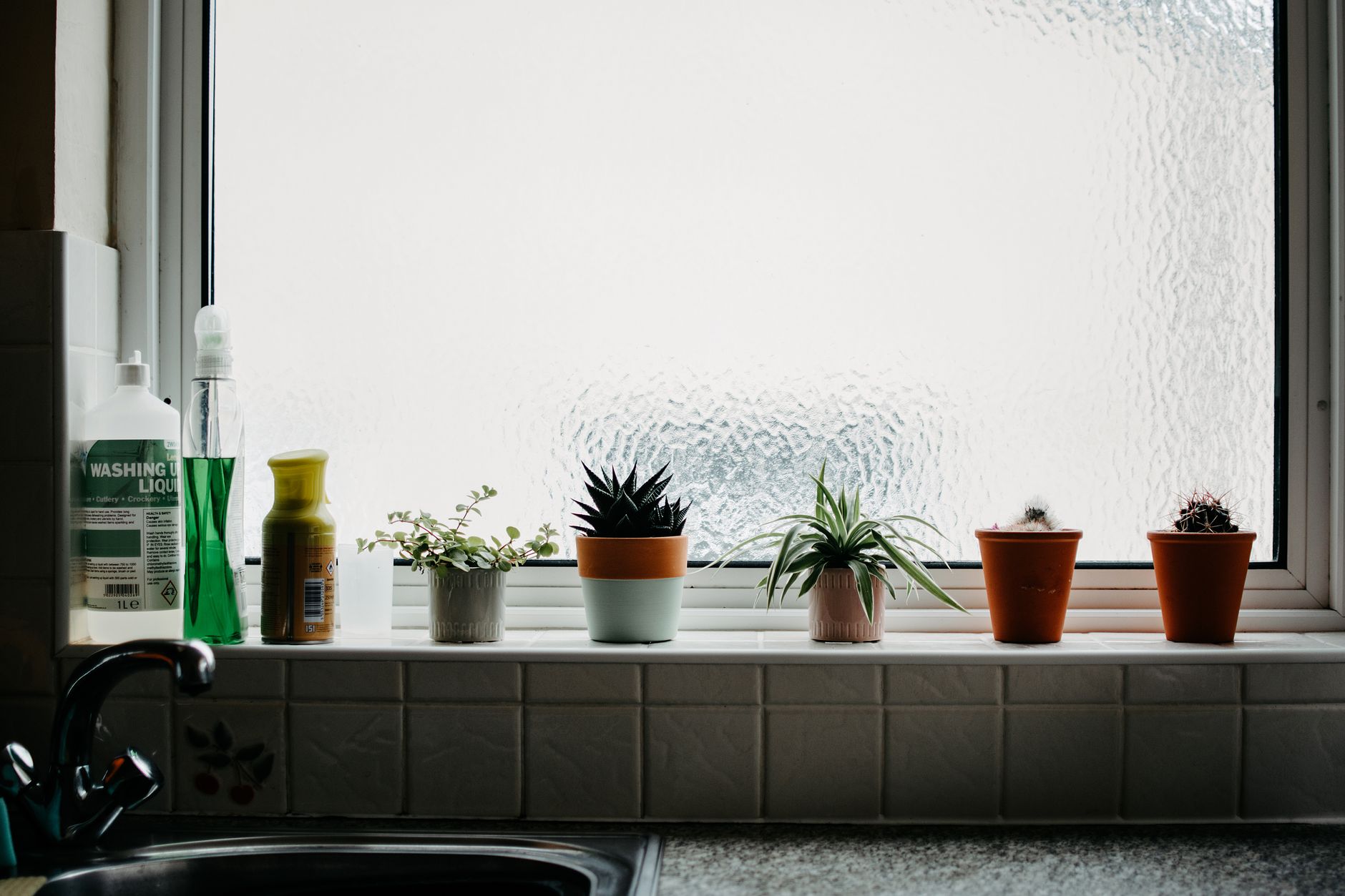
The psychological case: autonomy, low stakes, and the mood lift of minor tasks
Beyond the neuroscience, psychologists point to something simpler. Pottering gives you a sense of gentle autonomy, the feeling that you are choosing what you do and that nothing is at risk if you do it imperfectly. Tightening a loose hinge on the kitchen cupboard, finding a good spot for a new plant, sorting through a drawer of accumulated oddities: these are tasks you selected yourself, with no deadline and no one grading the result.
Research from the University of Exeter has long connected access to controllable, low-demand environments with reduced anxiety. Your home, when you are free to move through it without agenda, is one of the most controllable environments you will ever inhabit. That sense of being master of your own small domain is not trivial. It accumulates into wellbeing over time.
There is also the satisfaction of minor completion. Even a potter who starts nothing and finishes nothing often ends up with one small thing slightly better than it was: a tidy corner, a watered plant, a shelf that now makes more visual sense. These micro-wins register in the brain’s reward circuitry. Small as they are, they count.
This connects to something I’ve noticed in writing about the slow living movement across the UK: the common thread is not inactivity but intentionally unhurried activity. Pottering fits that description perfectly. You are not rushing, not optimising, not performing. You are just present in your own space.
Why Britain, specifically, does this
Other cultures have analogous concepts. The Japanese notion of ma describes meaningful pause and empty space; the Danish hygge leans into cosy domesticity. But pottering has a particularly British flavour because it is so unpretentious about itself. It does not require a philosophy. You do not need a dedicated corner of the house or a special set of tools. You just wander about a bit.
Part of this is probably architectural. British homes, especially terraced houses and semi-detacheds with small rooms that flow into each other, lend themselves to the kind of aimless room-to-room drift that constitutes proper pottering. There is always a window to look out of, a hallway to cross, a back door to open and peer through. Even the act of adjusting the curtains or straightening the blinds, small domestic rituals, fits the pattern. (On that note, if you have been putting off updating those window dressings, Vesta Blinds and Shutters Mansfield is worth a look for anyone in the East Midlands rethinking their options.)
Britain also has a cultural permission, baked in somewhere between the Victorians and the postwar period, to be quietly occupied at home without having to justify it. The concept of a Sunday afternoon spent doing not very much in particular is socially legible here in a way it is not in more overtly productivity-focused cultures.
How pottering connects to other happiness habits
I’ve seen similar patterns in almost every habit that genuinely seems to lift people’s mood over the long term. Cooking from scratch, for example, shares several features with pottering: unhurried physical activity, sensory engagement, low stakes, and a small but real output at the end. The difference is that cooking has a defined goal. Pottering does not even need that.
The repair café movement across the UK also draws on related instincts. People who attend often say the act of gentle, hands-on work in a low-pressure environment is what they value most, not just the fixed object. That is the pottering impulse finding communal expression.
Making space for it without feeling guilty
The main obstacle to pottering is not time. Most people who say they have no time to potter are checking their phones for twenty minutes at a stretch without noticing. The obstacle is permission. We have thoroughly internalised the idea that unstructured time is wasted time, and that if we are going to rest we should at least be doing it properly: exercising, meditating, reading something improving.
But the research suggests the brain does not need you to optimise your rest. It needs you to give it some undemanding space to operate. A half-hour potter on a weekend morning, no phone, no list, just you and the house and whatever minor thing catches your attention, costs nothing and accumulates into something meaningful over weeks and months.
The Mental Health Foundation’s guidance on relaxation makes the point that low-intensity physical activity in a familiar environment is one of the more sustainable routes to reducing day-to-day stress. Pottering, though it does not appear by name, fits that description precisely.
Give yourself an afternoon. Wander around. Make tea. Forget where you left it. Notice something small that could be slightly better and make it slightly better. Then wander somewhere else. You are not wasting time. You are doing something your brain has needed all week.
Frequently Asked Questions
What does 'pottering' mean in British culture?
Pottering refers to moving around the home in an aimless, unhurried way, doing small tasks with no fixed goal or deadline. It is a distinctly British term for the kind of gentle, self-directed domestic activity that fills a relaxed afternoon without any pressure to produce a specific result.
Is pottering actually good for your mental health?
Yes, there is real evidence behind it. Low-intensity, self-directed activity activates the brain’s default mode network, which handles emotional processing, memory consolidation, and creative thinking. Pottering reduces cortisol and gives the brain room to do this background work that focused, task-heavy activity can suppress.
How is pottering different from procrastination?
Procrastination involves avoiding a specific thing you know you should be doing, which typically generates anxiety. Pottering happens in genuinely free time, with no avoided obligation attached. The absence of a deferred task is what makes it restorative rather than guilt-inducing.