There is something quietly radical about putting your name on an allotment waiting list. You are not buying anything. You are not downloading an app. You are simply saying: I would like a patch of soil, some seeds, and a reason to be outside. Across England and Wales, hundreds of thousands of people are saying exactly that right now, and councils are struggling to keep up.
The allotment waiting list UK 2026 picture is striking. According to figures from the National Allotment Society, an estimated 150,000 people are currently on council waiting lists in England and Wales, with average waits in cities like Bristol, Leeds, and parts of London stretching beyond five years. The surge is not a blip. It started building during the pandemic years, when people rediscovered that growing things was one of the simplest ways to feel steady, and it has not let up since.
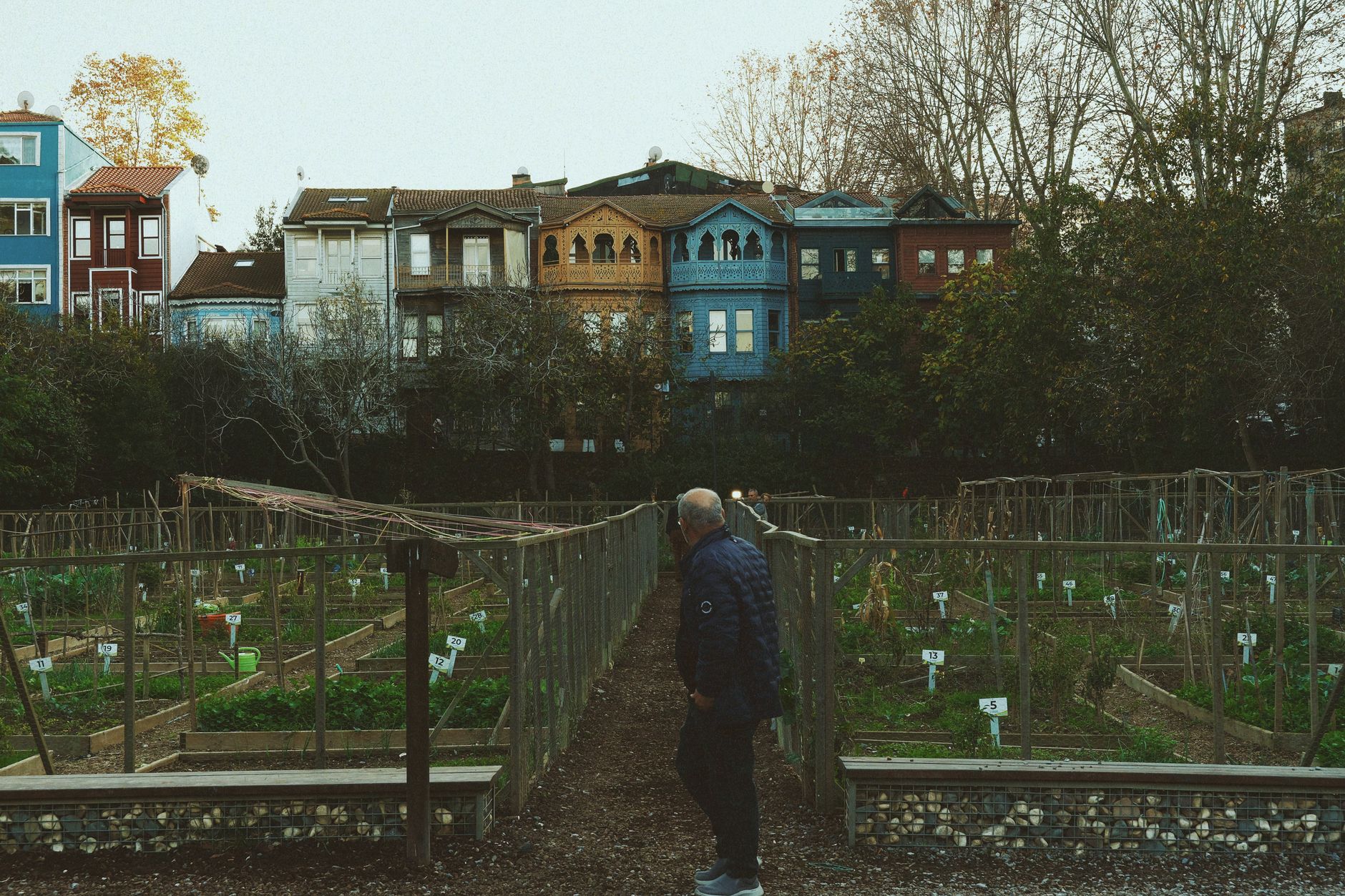
Why so many people are joining allotment waiting lists right now
I have spoken to a handful of plot-holders over the past year, and the reasons they give are remarkably consistent. Very few of them mention the vegetables first. What they mention is the rhythm. Getting up on a Saturday morning with something purposeful to do that asks nothing of a screen. The walk across the site with a flask. The particular pleasure of doing a job that has a beginning, a middle, and an end.
Cost-of-living pressure plays a part too. A standard council allotment plot (typically around 250 square metres) can produce a meaningful quantity of vegetables across the growing season, and annual rents remain low, often between £30 and £100 depending on the council and region. For families watching their food bills closely, that maths starts to look attractive. But I would argue the deeper pull is something else: the sense of competence that comes from growing your own food. There is genuine satisfaction in it, similar to what researchers have found in people who cook from scratch at home. You have produced something real.
What allotments do for mental health and community
The evidence linking gardening to reduced anxiety is not thin. A 2022 study published in the British Journal of Psychiatry found that regular contact with green space and soil-based activity measurably reduced symptoms of low mood and generalised anxiety. Allotments add a layer on top of that: community. Most sites have a culture of surplus-sharing, of stopping to talk about blight on tomatoes or the best way to deal with slugs. That informal sociability, with no agenda and no pressure, is quietly valuable.
This connects to something I think about a lot when writing here. Repair cafés work on a similar principle: people gathering around a shared, practical purpose, and the wellbeing gains being almost incidental. Allotment sites operate the same way. Nobody goes for networking. They go for the courgettes. The friendships are a side effect, and that might be exactly why they stick.
The UK government’s own guidance on allotment legislation notes that councils in England and Wales have a statutory duty to provide allotments if there is sufficient demand in their area, a law that dates back to the Smallholdings and Allotments Act 1908. That duty feels increasingly relevant as demand climbs. Some councils, Birmingham and Sheffield among them, have invested in new sites in recent years, but supply still lags well behind the surge of interest.
Getting on a waiting list and what to do whilst you wait
The practical reality is that joining your local council waiting list might mean a multi-year wait, particularly in urban areas. That is a genuine frustration. But there are things you can do in the meantime that are worth knowing about.
Some allotment associations run their own informal lists separately from the council, so it is worth contacting your nearest site directly. Community gardens (distinct from allotments, but operating on similar principles) exist in most towns and cities, and many welcome volunteers who eventually get access to a bed. Organisations like Incredible Edible, which started in Todmorden in West Yorkshire, have spread across hundreds of UK communities and offer a way into food-growing without needing your own land at all.
At home, raised beds and container growing on a terrace or in a back garden are not a substitute for a full plot, but they are a real entry point. Tomatoes, herbs, salad leaves, and courgettes will all grow well in containers. And if you live somewhere with communal garden space or a shared courtyard, it is worth talking to neighbours about a small growing project. The spirit of the allotment, that combination of purposeful outdoor activity and informal community, can be recreated at a smaller scale. Think of it as productive pottering, which turns out to have its own wellbeing benefits entirely.
The happiness case for getting your hands dirty
Soil itself may matter more than we realise. Research from University College London has suggested that contact with Mycobacterium vaccae, a bacterium naturally found in soil, may trigger serotonin production in the brain. Whether or not the science fully bears that out over time, the subjective reports from allotment holders point in the same direction: people feel better after time on their plot. Calmer. Less stuck in their heads.
I think there is also something important about the patience that allotment gardening demands. You plant in spring and wait. You cannot hurry a leek. In a culture that rewards speed and instant feedback, that enforced slowness is almost countercultural, and for many people, deeply restoring. It fits neatly with the broader case for slow living as a genuine happiness strategy, not a lifestyle aesthetic.
The allotment waiting list UK 2026 is long. In some places, very long. But the fact that so many people are prepared to wait years for a patch of earth says something real about what we are all looking for: a reason to be outside, something to tend, and a place where the pace is set by seasons rather than notifications. That seems worth the wait to me.
Frequently Asked Questions
How long is the allotment waiting list in the UK in 2026?
Average waiting times vary significantly by location. In rural areas you might wait a year or less, but in cities like London, Bristol, and Leeds waits of four to seven years are common. Contacting your local council and individual allotment associations directly gives you the most accurate picture for your area.
How do I join a council allotment waiting list in England or Wales?
You apply directly to your local council, usually through their housing or parks department, or via the council website. Some individual allotment sites also maintain their own lists, so it is worth approaching the site committee as well as the council to maximise your chances.
How much does an allotment cost to rent in the UK?
Annual rents for a standard full plot (around 250 square metres) typically range from £30 to £100 in England and Wales, though some inner-city sites charge more. Half-plots are often available at reduced rates and are a good starting point for newcomers.
Are councils legally required to provide allotments?
Yes. Under the Smallholdings and Allotments Act 1908, councils in England and Wales have a statutory duty to provide allotments if there is sufficient demand from local residents. However, enforcement is limited and many councils have long waiting lists rather than expanding provision quickly.
What can I grow on an allotment as a beginner?
Courgettes, potatoes, salad leaves, broad beans, and onions are all forgiving and productive choices for first-time plot-holders. Starting with a half-plot lets you concentrate on a manageable area, build your knowledge, and avoid the overwhelm that sometimes puts beginners off in the first season.